Iron ore beneficiation separates valuable metal from waste rock to increase grade and reduce smelting costs. This process determines the economic viability of mining projects. This article analyzes technical details ranging from crushing to dewatering. Discussion includes reducing energy consumption using HPGR and controlling impurities like silica and phosphorus. Specific equipment configurations for processing low-grade ore efficiently receive detailed attention.
Stage 1 Crushing and Screening: The Multi-Stage Reduction Strategy
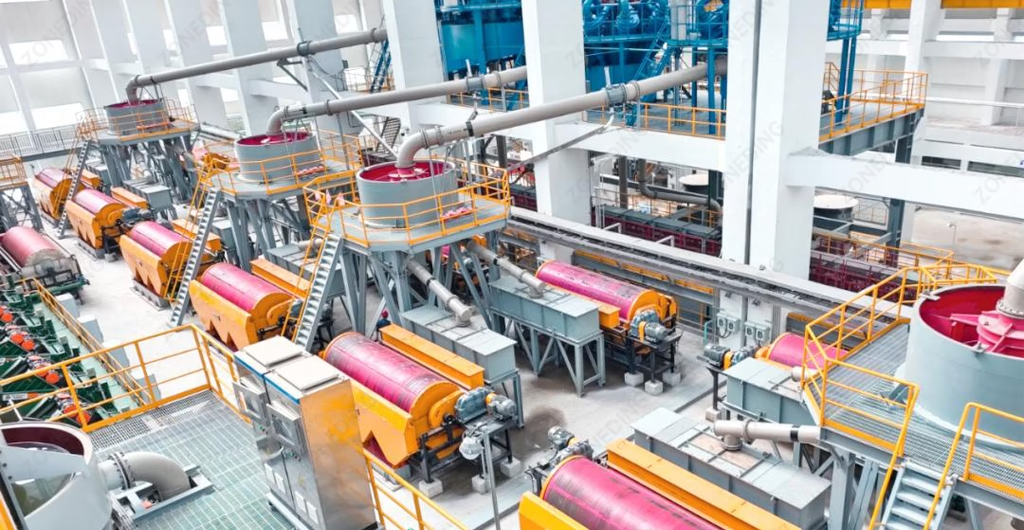
The crushing stage is the first step in the beneficiation production line. The objective is to reduce large Run-of-Mine (ROM) rocks (often up to 1000mm) down to a fine particle size (typically 12mm-15mm) suitable for ball mill feeding. Following the principle of “more crushing and less grinding,” a highly efficient three-stage closed-circuit crushing system is the standard for modern iron ore plants.
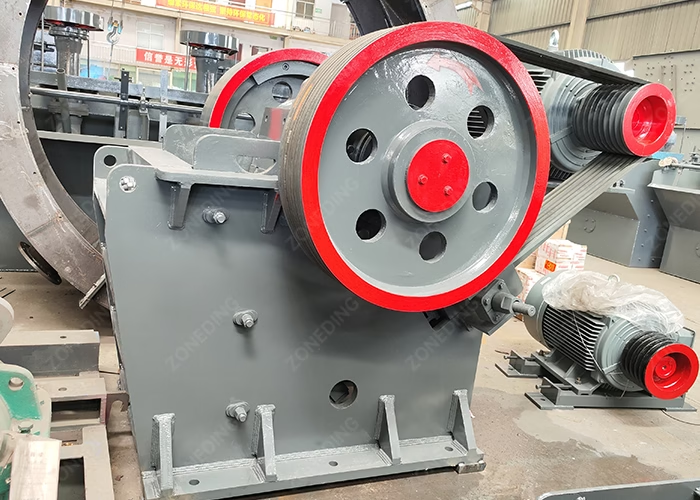
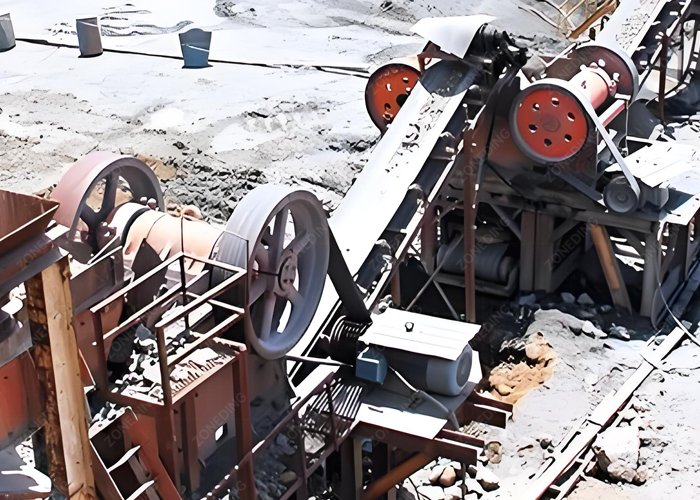
Jaw crusher
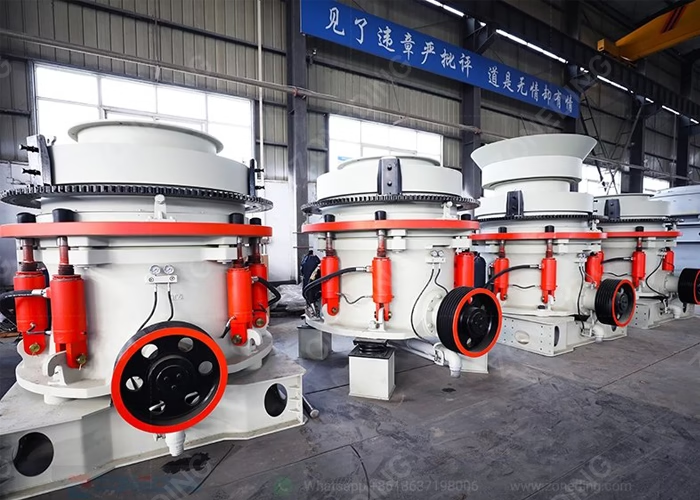
Cone Crusher
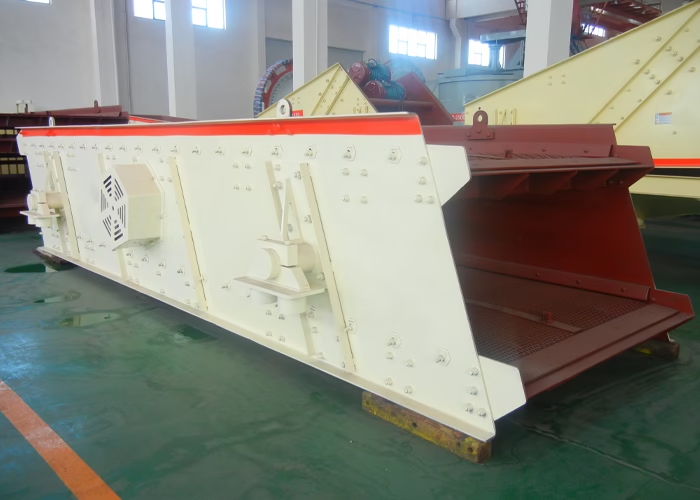
Vibrating screen
Primary Crushing: Coarse Reduction
The process begins with a vibrating feeder sending raw ore evenly into the Jaw Crusher. This equipment serves as the “head” of the process, handling the highest impact loads. The jaw crusher uses compressive force to break large boulders down to a size of approximately 150mm-300mm. Its simple structure and manganese steel wear parts ensure durability against the high hardness of iron ore.
Secondary and Tertiary Crushing: Fine Reduction
The discharge from the primary crusher is conveyed to the secondary stage, typically involving a Cone Crusher. For hard iron ore, hydraulic cone crushers are preferred due to their high crushing efficiency and ability to protect against uncrushable iron (tramp iron).
Secondary Crushing: Standard type cone crushers reduce the material further.
Tertiary Crushing: Short-head type cone crushers are often used for the final shaping, aiming to produce a product with a high percentage of fines.
Screening and Closed-Circuit Control
The crushed material is sent to a Vibrating Screen. This equipment acts as the quality controller of the crushing circuit.
Undersize (Qualified Product): Material smaller than the target size (e.g., <15mm) falls through the screen mesh and is conveyed to the fine ore bin as mill feed.
Oversize (Return): Material larger than the target size is retained on the screen and conveyed back to the cone crusher for re-crushing. This “closed-circuit” ensures that only material with the optimal particle size enters the energy-intensive grinding stage, significantly reducing electricity consumption per ton.
Stage 2 Grinding and Classification: Optimizing Particle Size for Liberation
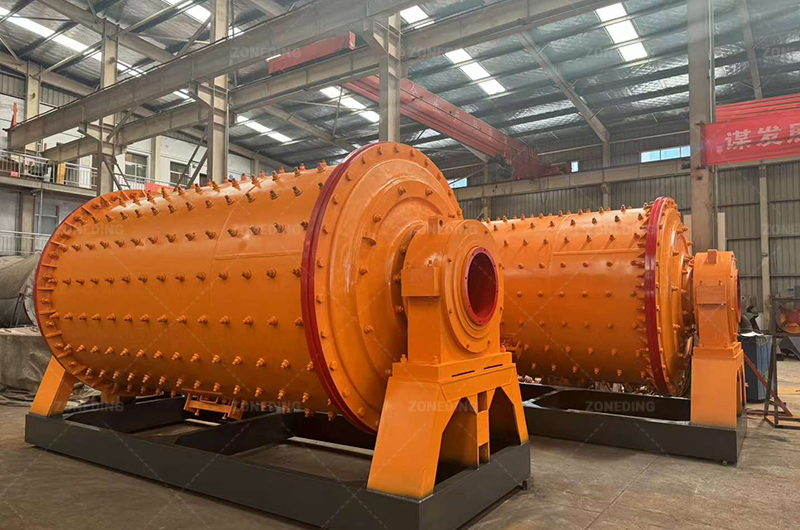
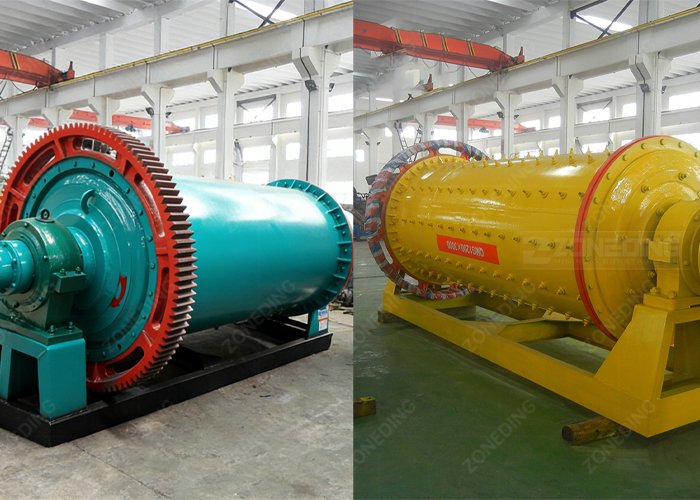
Grinding separates iron minerals from gangue minerals. The Ball Mill operates in a closed circuit with classification equipment. The mill reduces ore size, while the classifier separates fine particles from coarse ones.
Ball Mill
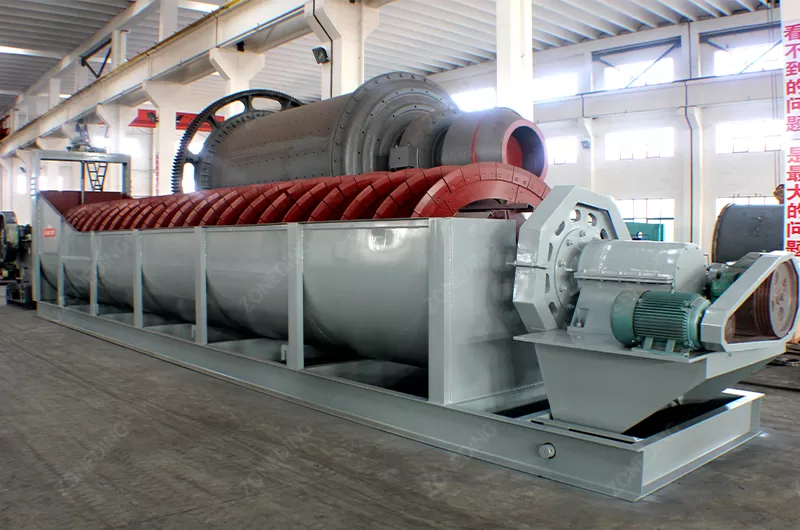
Spiral Classifier
Synergy of Mills and Classifiers
A Spiral Classifier or hydrocyclone group typically handles classification. The device returns coarse particles (oversize) to the mill for regrinding. Proper classification prevents over-grinding. Over-grinding produces slime (ultra-fine particles), which causes recovery losses and dewatering difficulties.
Vertical Stirred Mills for Regrinding
Vertical stirred mills (tower mills) offer greater efficiency than horizontal ball mills for fine grinding stages (below 75 microns). These units utilize attrition rather than impact. This method produces a narrower particle size distribution, effectively liberating fine iron minerals without generating excessive fines.
Separation Decision 1: Processing Magnetite with Magnetic Separation
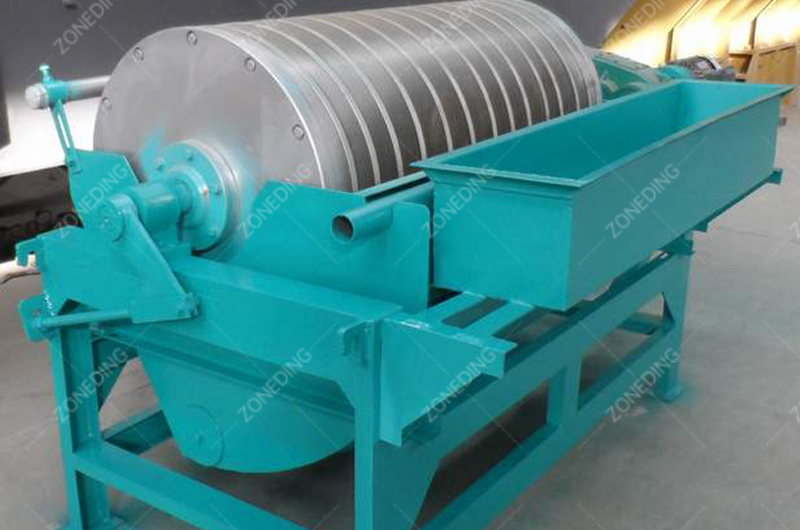
Magnetite possesses strong magnetic properties. Low Intensity Magnetic Separation (LIMS) is the standard recovery method using a Magnetic Separator. However, physical entrapment of impurities frequently impacts concentrate quality.
Magnetic Separator
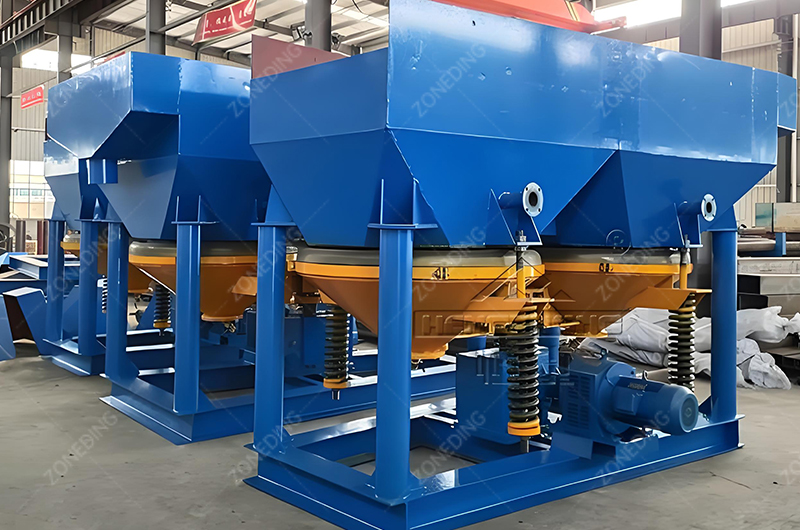
Jig Separator
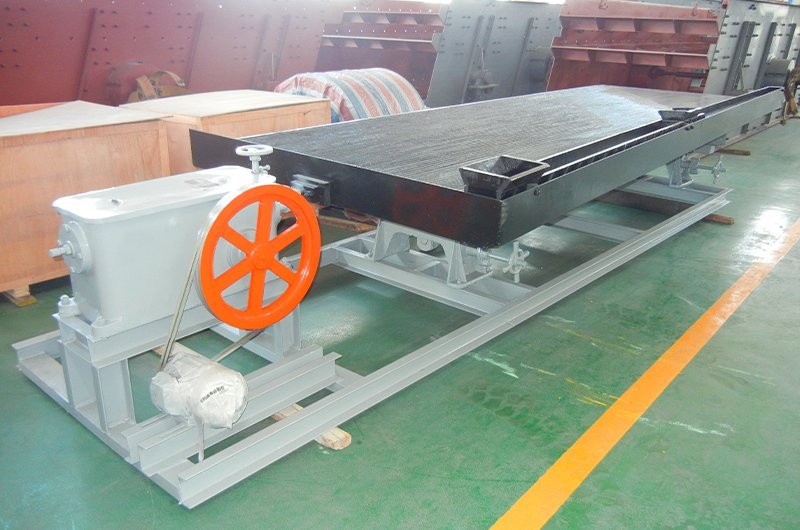
Shaking Table
Solving Magnetic Agglomeration
Magnetite particles become magnetized within magnetic fields, attracting each other to form clusters. These clusters mechanically trap non-magnetic silica (quartz). This entrapment prevents silica removal. Demagnetizing coils installed between separation stages break these clusters. Final cleaning stages often utilize elutriating magnetic separators, which employ rising water to wash trapped silica from dispersed iron particles.
Separation Decision 2: Processing Hematite with Gravity and Strong Magnetic Separation
Hematite exhibits weak magnetic properties, rendering standard magnetic drums ineffective. Selection between gravity separation and High Gradient Magnetic Separation (HGMS) depends on particle size and budget.
Uses strong electromagnetic fields. Recovers fines effectively.
Magnetizing Roasting
Complex / Refractory
High Capital/Opex
Chemically converts hematite to magnetite via kilns.
Gravity separation treats the coarse fraction to reduce costs, while HGMS or flotation handles the fine fraction.
Flotation Intervention: Removing Impurities via Reverse Flotation
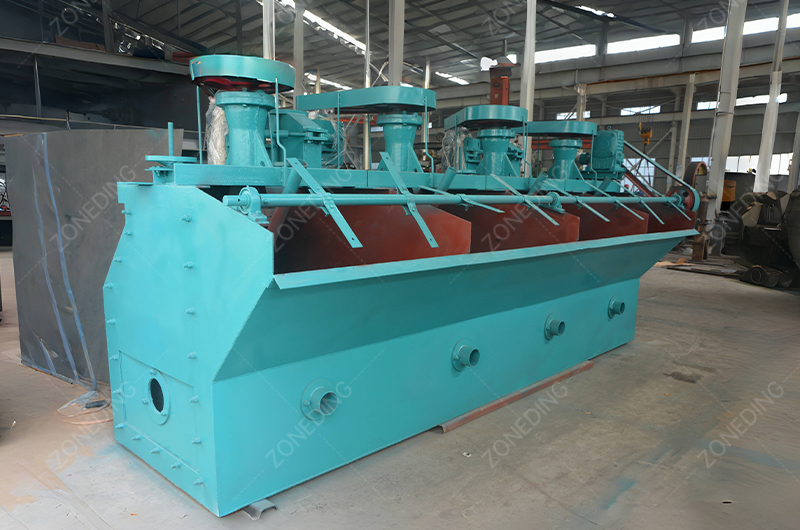
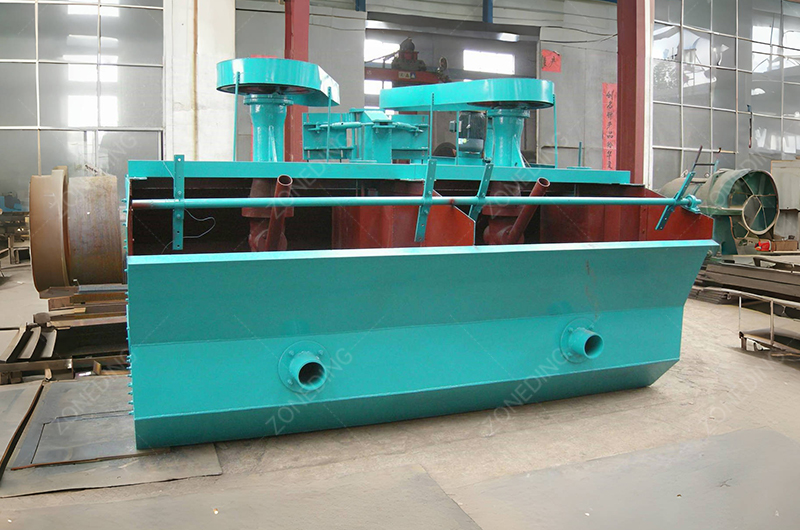
Flotation Machine circuits become necessary when physical separation cannot meet grade requirements. This process typically removes silica, phosphorus, or sulfur.
Flotation-Machine
Flotation-Machine
Reverse Flotation Process and Temperature Control
Iron ore processing usually employs reverse flotation, floating the gangue (waste) while depressing iron minerals.
Anionic Flotation: Uses fatty acids to collect silica. Effectiveness is high but sensitive to low temperatures. Slurry heating is required if water temperature drops below 15°C.
Cationic Flotation: Uses amines. Performance remains stable in cold water, but sensitivity to slimes increases. Reagent system selection depends on local climate conditions and energy costs.
Concentrate Dewatering: Equipment Selection for Transport
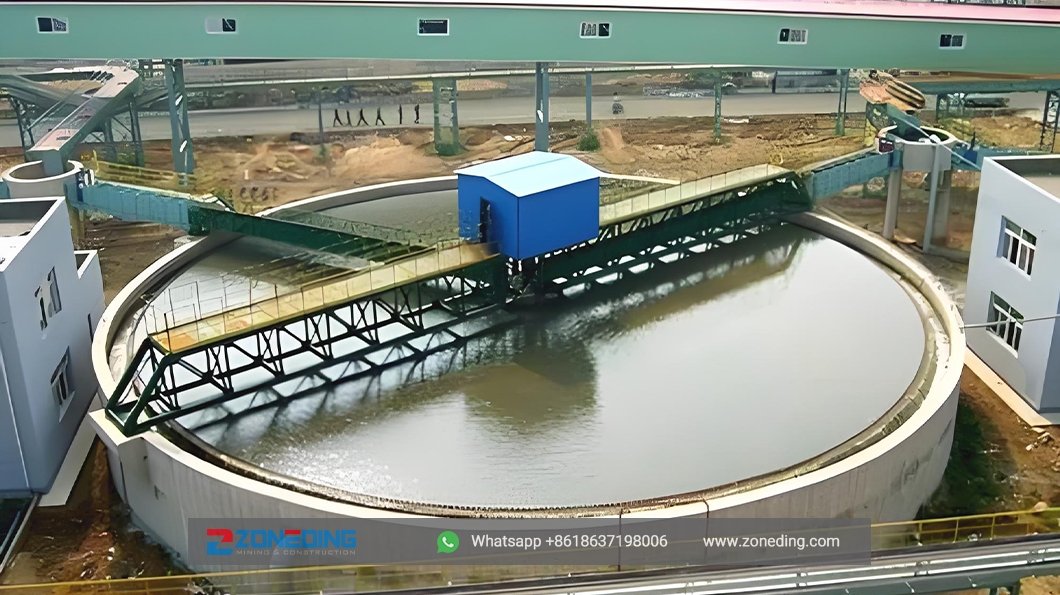
Final iron concentrate requires moisture content between 8% and 10% for transport. A High Efficiency Concentrator (Thickener) followed by filtration achieves this target.
High Efficiency Concentrator
Ceramic Filters vs. Filter Presses
Ceramic Filters: Utilize capillary action. These units offer energy efficiency and continuous operation, suitable for standard concentrates.
Filter Presses: Utilize positive pressure. These units are essential for concentrates with high clay content or very fine particle sizes where ceramic filters might clog. Filter presses produce drier cakes but operate in batch cycles.
Tailings Processing: Dry Stacking and Resource Recovery
Modern environmental regulations mandate dry stacking of tailings. Tailings are pumped to thickeners and subsequently to filter presses, allowing process water recovery for plant reuse.
Final Recovery Step
Passing tailings through a high-gradient magnetic separator before final disposal is efficient. This step recovers fine iron particles missed in previous stages, increasing overall plant yield with minimal additional operational cost.
Common Operation Pain Points Diagnosis
Symptom
Probable Cause
Corrective Action
Importance
High Silica in Magnetite
Magnetic Agglomeration
Install demagnetizing coils or elutriation columns.
Improves Product Value
High Moisture in Concentrate
Excessive Fines (Slime)
Optimize classifier settings or switch to filter presses.
Reduces Transport Cost
Low Recovery Rate
Losing Fine Iron
Add scavenging magnetic separation or flotation.
Increases Revenue
High Energy Cost
Feed to Mill is too Coarse
Optimize jaw crusher settings or add HPGR.
Reduces OpEx
Rapid Liner Wear
Improper Media Size
Adjust ball charge gradation in the ball mill.
Reduces Maintenance
2026 Latest Trends in Iron Ore Processing
The iron ore industry moves towards “Green Steel” supply chains. Beneficiation plants must produce higher grade concentrates (above 67% Fe) for Direct Reduced Iron (DRI) pellet production. Digitalization and AI-driven process control optimize circuits in real-time. Energy efficiency is paramount to lower the carbon footprint per ton of concentrate produced.
Dry Grinding and Sorting: Reduces water usage in arid regions.
Sensor-Based Ore Sorting: X-ray sensors reject waste rock on conveyor belts before crushing.
rock on conveyor belts before crushing.
Frequently Asked Questions
Q1: What is the difference between processing magnetite and hematite? Magnetite is strongly magnetic and uses low-intensity Magnetic Separators. Hematite is weakly magnetic and requires gravity separation (spirals) or high-gradient magnetic separators. Hematite processing is generally more complex and costly. Q2: How can silica content be reduced in iron concentrate? Silica is reduced using reverse flotation (floating the silica) or elutriation magnetic separators (washing out trapped silica). Proper liberation through grinding is a prerequisite for effective separation. Q3: Why is a ball mill used in iron ore processing? The Ball Mill is the primary machine for fine grinding. It liberates the iron minerals from the waste rock. It is robust, reliable, and capable of handling high throughputs required in iron mining. Q4: What is the role of the spiral classifier? The Spiral Classifier works with the ball mill. It separates ground ore into fine particles (ready for separation) and coarse particles (returned to the mill). This ensures a consistent particle size for the separation process. Q5: Can low-grade iron ore be profitable? Yes, with efficient beneficiation. Technologies like HPGR, sensor sorting, and pre-concentration (dry cobbing) reduce the cost of processing low-grade ores by rejecting waste early.
About ZONEDING
ZONEDING manufactures a comprehensive range of equipment for iron ore processing. The factory covers 8,000 square meters and produces over 500 sets of machinery annually. The engineering team specializes in optimizing flows for both magnetite and hematite ores. Solutions range from primary crushing stations to complete turnkey beneficiation plants.
Contact ZONEDING for detailed flow sheet design and equipment quotations. Technical engineers are available to analyze ore samples and propose the most efficient equipment configuration.
Choosing between a rod mill and a ball mill is the most vital step in any mineral processing journey. This decision affects the recovery rate and the monthly electricity bill of a mining project. A uses long steel bars to crush material. A Ba...
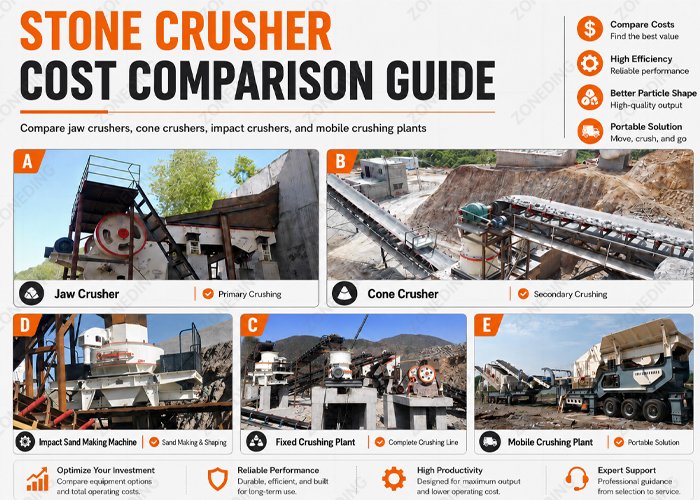
Stone crusher costs can vary dramatically even when two plants have the same production capacity. In real quarry operations, the final investment depends on rock hardness, equipment quality, automation level, mobility, and long-term operating cost...
Gold mining profitability depends heavily on equipment selection. Choosing the wrong machine for hard rock can lead to massive repair bills or low gold recovery rates. Hard rock gold mining often involves extremely abrasive quartz veins. This guid...
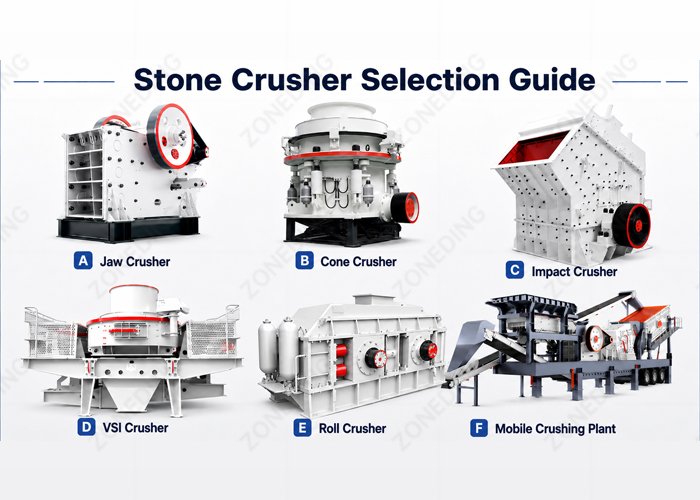
Choosing the right stone crusher is one of the most important decisions in aggregate production and quarry operations. The wrong machine can increase wear cost, reduce production efficiency, and create long-term maintenance problems. Meanwhile, th...
We use cookies to ensure that we give you the best experience on our website. If you continue to use this site we will assume that you are happy with it.
Privacy Policy
Send us a message
We would love to hear from you
Submit your question and our team will respond to the email provided as soon as possible.
 Zoneding Machine