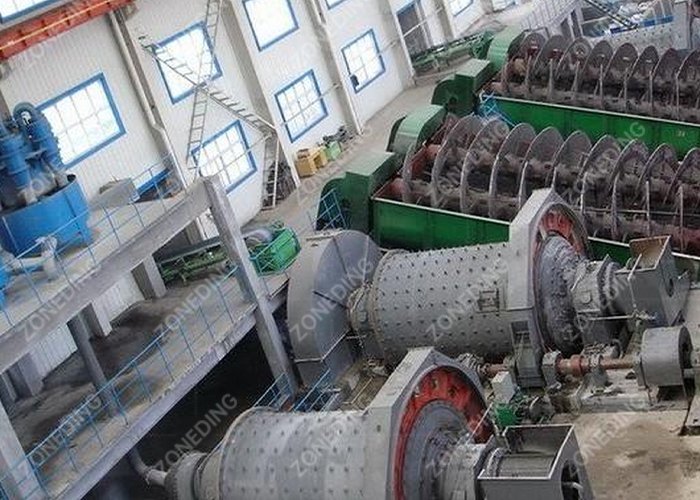
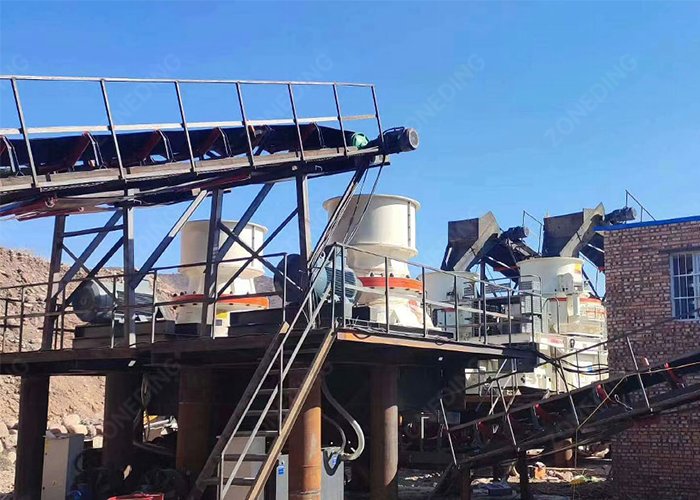
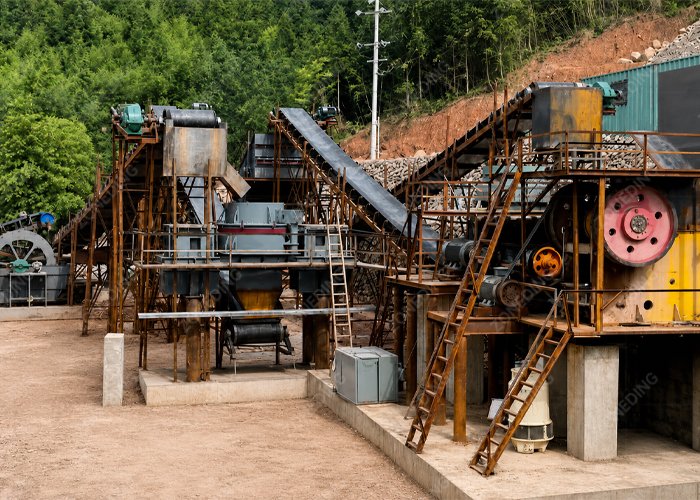
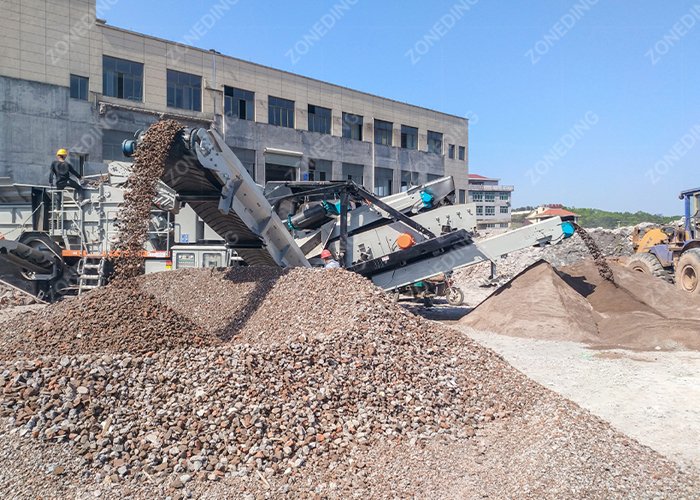
Mineral processing begins with crushing. This stage plays a vital role. It directly impacts ore recovery and final product quality. Effective crushing does more than just reduce rock size. It prepares material for all downstream processes. This guide outlines key strategies. It helps optimize crushing operations. ZONEDING offers advanced solutions. These solutions achieve superior results in mineral processing.
Crushing’s core role in mineral processing: How does it lay the foundation for beneficiation and impact final output?
Crushing is the initial mineral processing step, reducing large rocks to prepare ore for grinding and beneficiation. Crucial for downstream efficiency, it ensures the correct feed size for grinding mills. Experts view it as a critical opportunity for mineral liberation and early waste rejection. Beyond feed preparation, its strategic role sets the stage for valuable mineral extraction. Well-designed circuits, often with pre-screening or sensor-based sorting, can remove barren waste rock early. ZONEDING focuses on integrated solutions to enhance liberation from the start.
Crushing as First Stage of Mineral Liberation and Pre-Concentration
Crushing represents the first chance to separate valuable minerals from gangue. Proper primary crushing can scalp off barren waste rock. This reduces the amount of material entering energy-intensive grinding circuits. Even without complex sensor-based sorting, simple visual inspection of the primary crusher’s feed and discharge helps. It identifies waste. A basic grizzley or static screen before the Jaw Crusher can bypass fine material or barren rock. This material would otherwise consume energy in crushing and grinding. This method saves immense energy, water, and reagent costs. It focuses efforts on the valuable material. This directly boosts overall recovery.
Phase
Goal
Impact on Downstream
Value Added
Initial Crushing
Size Reduction
Feed for Grinding
Increased efficiency of subsequent processes
Mineral Liberation
Separate Minerals
Improved Recovery
Higher concentration of valuable materials
Waste Rejection
Remove Barren Rock
Reduced Energy Costs
Lower operational expenses, higher profit margins
Practical Steps for Early Waste Rejection
Install a Grizzley: Place a simple grizzley or static screen before the primary crusher. This diverts already fine material and barren rock. It prevents unnecessary processing.
Monitor Feed Visually: Operators should visually inspect the material entering the crusher. This helps identify and manually remove obvious waste.
Optimize Crusher Settings: Adjust crusher settings to minimize the creation of fines from waste material. Focus on breaking the valuable mineral bonds.
How does crushing directly increase target mineral recovery through efficient mineral liberation?
Efficient mineral liberation, freeing valuable particles from waste rock, is a critical crushing goal. Crushing breaks these bonds, making separation more effective. Locked minerals in larger fragments hinder recovery and can be lost during beneficiation. ZONEDING designs its equipment for optimal liberation, enhancing target mineral recovery.
Liberation-optimized crushing goes beyond mere size reduction, focusing on inter-granular fracture along natural grain boundaries to effectively separate minerals. Trans-granular fracture, breaking through mineral grains, creates fine valuable particles difficult to recover in flotation and wastes energy. Experts view crushing as the initial opportunity for liberation. ZONEDING refines its Crushing Equipment designs for controlled fracture, maximizing free mineral particles for efficient separation.
Achieving Optimal Mineral Liberation
Choose the Right Crusher Type: Some crushers promote inter-granular fracture more effectively. Jaw and cone crushers use compression. They often cause particles to break along weaker grain boundaries. Impact crushers use impact force. This can create more trans-granular fracture and fines.
Optimize Crusher Settings: Adjusting the closed-side setting (CSS) of a crusher impacts particle size. It also affects liberation. A balance must be struck. This achieves sufficient liberation without excessive fine production.
Multi-Stage Crushing: Employing multiple stages of crushing helps. It gradually reduces particle size. This promotes better liberation at each step. This also avoids sudden, aggressive breakage. ZONEDING’s experience shows multi-stage setups improve liberation by an average of 5-8%.
Liberation Analysis
Mineral liberation is measured through various analytical techniques. These include QEMSCAN or MLA. These methods analyze crushed product samples. They determine the degree of liberation. This data helps fine-tune crusher choices and settings. For example, if analysis shows significant unliberated minerals, a change in crusher type or a tighter CSS might be needed. This is key for Beneficiation Equipment to perform its best.
How does crushed particle size distribution affect grinding efficiency and beneficiation recovery? How is it precisely controlled?
Optimal crushed product particle size distribution is crucial for subsequent grinding and beneficiation efficiency and recovery. Oversized particles increase grinding energy and time; undersized lead to over-grinding and separation issues. ZONEDING emphasizes precise particle size control for peak downstream performance.
A well-crushed feed, consistent and cubical, improves grinding efficiency, liner/media wear, and throughput. Flat or elongated particles grind inefficiently. Consistent feed size allows precise grinding control, optimizing liberation without over-grinding. Less variability in crusher output stabilizes mill feed, enabling better control of mill power, feed rate, and pulp density—all crucial for maximizing recovery.
Controlling Particle Size Distribution
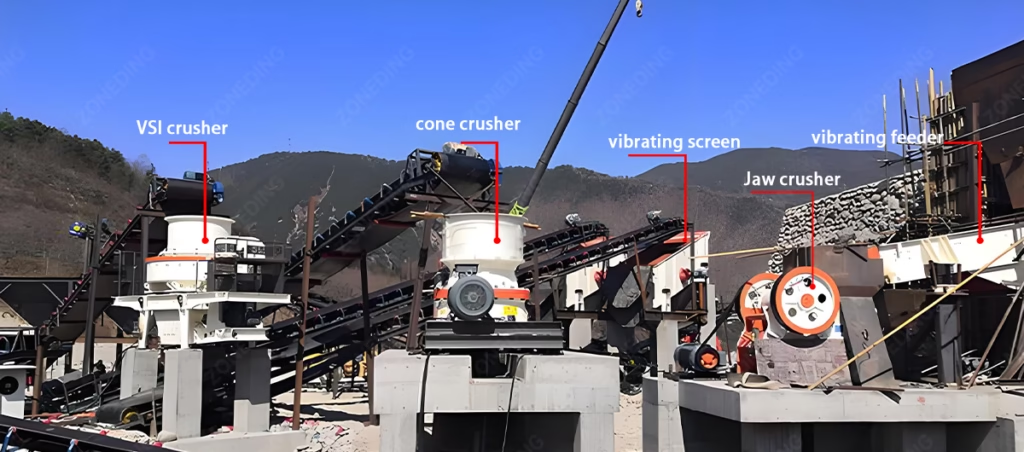
Closed-Circuit Crushing: This system is the standard for precise control. It involves a crusher, a vibrating screen, and a conveyor. Oversized material from the screen recirculates back to the crusher. This ensures all material meets the required size specification.
Crusher Setting Adjustments: The closed-side setting (CSS) is the minimum gap between crushing surfaces. Adjusting the CSS directly controls the maximum particle size. Tighter settings produce finer material. Wider settings yield coarser material.
Crusher Type Selection: Different crushers produce different particle shapes and size distributions. Cone crushers excel at producing cubical products. Impact crushers can also create well-shaped particles. ZONEDING offers various crusher types to match specific product requirements.
Screen Selection: The choice of screen media and aperture size in the Vibrating Screen is critical. It defines the cut-off point for recirculation. Proper screen selection prevents oversize from entering the grinding mill.Control MethodDescriptionBenefit to Grinding/BeneficiationClosed-CircuitRecirculates oversize back to crusher.Ensures consistent feed size, improves grinding efficiency.CSS AdjustmentChanges gap between crushing surfaces.Controls maximum particle size, prevents over-grinding.Crusher TypeSelects machine for desired particle shape.Produces cubical particles, optimizes mill performance.Screen MediaDetermines particle separation cut-off.Guarantees precise feed for grinding, prevents mill choking.
How is over-crushing and contamination effectively controlled in crushing to ensure final concentrate grade and product quality?
Controlling over-crushing and contamination is vital for product quality and concentrate grade. Over-crushing produces excessive fines, causing downstream problems and reducing recovery. Contamination is unwanted material mixing with valuable ore. Both reduce processed mineral value. ZONEDING develops crushing solutions to minimize these risks.
Over-crushing is a subtle problem, often unnoticed until later. Excessive fines (slimes) generated during crushing make valuable minerals ground too fine difficult to recover in flotation, as they float poorly or are carried away by froth. In leaching, fines cause poor percolation and high reagent consumption due to high surface area. Incorrect crusher types (e.g., impact crushers on friable ore), incorrect mantle/concave profiles, or excessively tight closed-side settings (CSS) cause over-crushing. This wastes energy, lowers subsequent separation recovery, and compromises final product quality.
Strategies for Over-Crushing Control
Crusher Type Selection: Choose crushers that produce minimal fines. Jaw and cone crushers typically generate fewer fines than impact crushers. This applies when processing hard, brittle materials. For soft, friable materials, adjust crusher type.
Optimized Crusher Settings: Operate crushers at optimal closed-side settings. Avoid excessively tight settings. Use larger settings if compatible with downstream requirements.
Pre-screening: Screen out fine material before it enters the crusher. This prevents unnecessary crushing of already-sized particles. This reduces fines generation. It also protects the crusher from wear.
Material Characterization: Understand the ore’s friability and fracture characteristics. This helps select the best crusher and settings.
Preventing Contamination
Proper Feed Management: Ensure feed material is clean. Remove foreign objects before crushing. These objects include metal scrap or wood.
Wear Part Selection: Use durable wear parts made from appropriate materials. This prevents metallic contamination from the crusher itself. ZONEDING offers high-quality wear parts. These minimize this risk.
Dust Control: Implement effective dust suppression systems. Dust contains fine particles. It can contaminate product during transfer or storage.
Regular Cleaning: Keep crushing areas clean. This prevents build-up of fine particles. This also reduces cross-contamination between different material batches.
How to select and configure crushing equipment (e.g., jaw, cone, impact crushers) for different mineral properties and beneficiation goals?
Selecting the correct crushing equipment is fundamental for plant efficiency, determined by specific mineral properties and beneficiation goals. ZONEDING provides a wide range, including Jaw, Cone, and Impact Crushers, assisting clients in configuring optimal circuits.
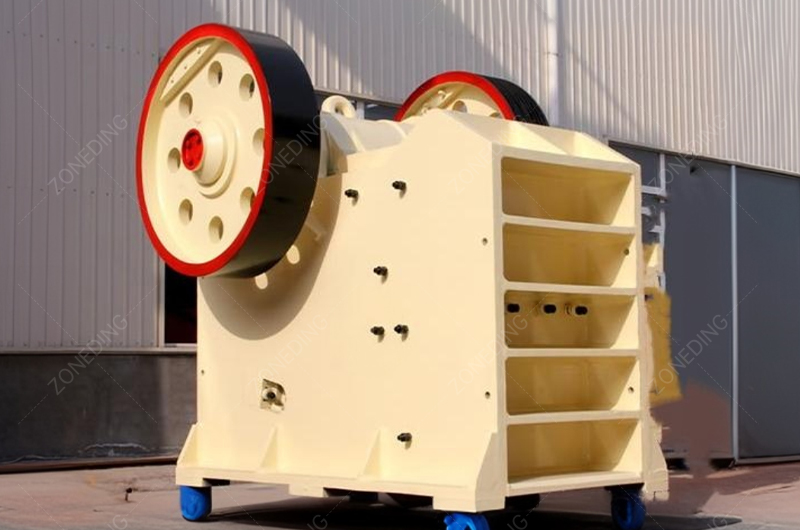
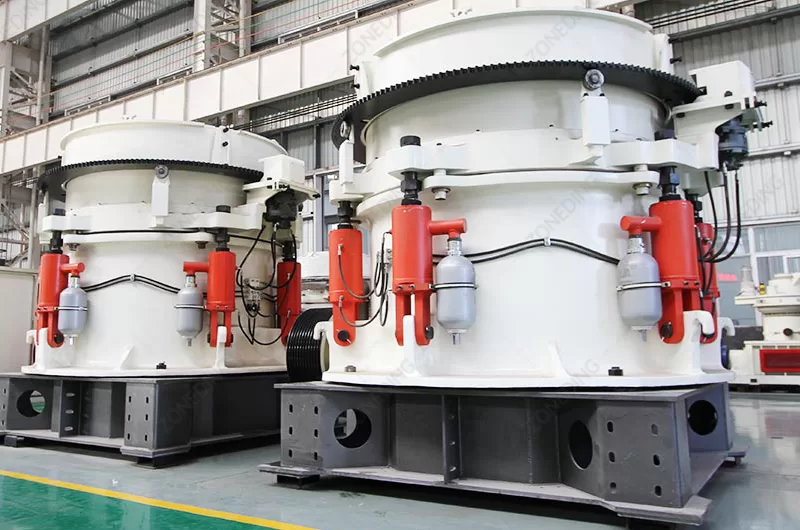
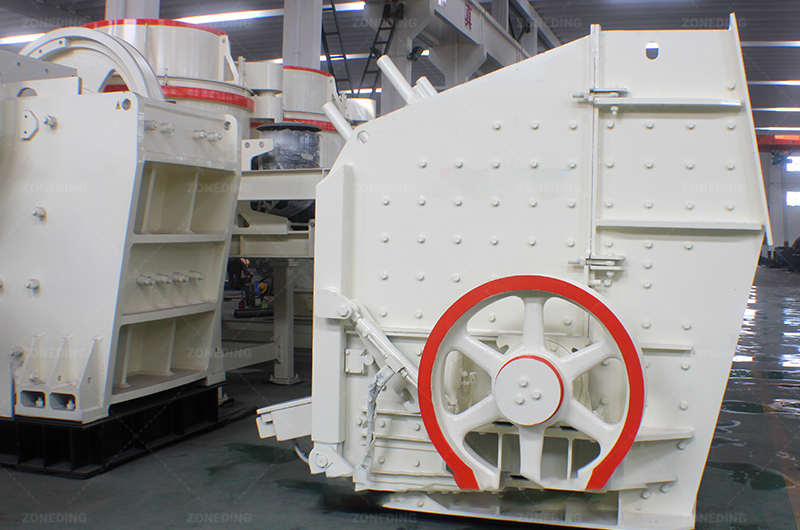
Each crusher type suits different stages and materials. Jaw crushers are primary, handling large, hard, abrasive ore via compression. Impact crushers (HSI/VSI) are secondary/tertiary, producing cubical products from medium-hard to soft materials, also excelling in recycling. Cone crushers, also secondary/tertiary, handle hard to medium-hard materials with high reduction ratios and consistent product shape. ZONEDING’s experience shows optimal selection starts with thorough ore analysis.
Considerations for Equipment Selection
Ore Properties:
Hardness/Abrasiveness: Hard, abrasive ores need robust crushers. Jaw and cone crushers are good. They use high-wear-resistant components.
Friability: Softer, more friable ores can be processed by impact crushers. These generate fewer fines.
Moisture Content: Sticky or wet ores require feeders and crushers. These manage material flow without clogging.
Beneficiation Goals:
Mineral Liberation: Choose crushers that promote inter-granular fracture. This frees valuable minerals.
Particle Shape: Aggregate production needs cubical products. Cone or impact crushers are best for this.
Size Reduction Ratio: Match crusher stages to the required size reduction. This ensures efficient breaking.
Jaw Crusher
Cone Crusher
Impact Crusher
Crusher Configuration Examples
Crusher Type
Stage
Material Type
Output Characteristics
Best for
Jaw Crusher
Primary
Hard, large, abrasive rocks (granite, iron ore)
Coarse, irregular particles
Initial breakdown, high capacity
Cone Crusher
Secondary/Tertiary
Hard to medium-hard rocks (basalt, copper ore)
Cubical, consistent fine to medium size
Aggregate, fine ore preparation
Impact Crusher
Secondary/Tertiary
Medium-hard to soft (limestone, asphalt, concrete)
Cubical, often single-pass finished product
Construction recycling, specific aggregate shapes
How do multi-stage crushing and closed-circuit systems optimize overall production efficiency and economic benefits?
Multi-stage crushing and closed-circuit systems are cornerstones of modern mineral processing, optimizing production efficiency and enhancing economic benefits. Multi-stage crushing gradually reduces ore size across several machines. Closed-circuit systems ensure precise product size control, minimizing waste and maximizing valuable material recovery. ZONEDING designs integrated solutions combining these concepts for superior plant performance.
While simpler, open-circuit crushing passes material once; closed-circuit is the gold standard for precise product specifications and maximized recovery. In a closed-circuit, oversized material recirculates from screen to crusher. This ensures consistency beyond just meeting P80 targets. A consistent, tightly controlled size distribution from the crushing circuit provides a predictable feed for the grinding mill. This enables mill operators to fine-tune grinding for optimal liberation, minimizing over-grinding, and directly enhancing flotation/leaching recovery by presenting minerals in their ideal state. For aggregate production, closed-circuit ensures consistent gradations crucial for concrete/asphalt specifications.
Multi-Stage Crushing
Benefits of Multi-Stage Crushing
Increased Efficiency: Each crushing stage operates at its optimal reduction ratio. This prevents over-stressing any single machine. It also improves energy efficiency.
Better Product Shape: Gradual reduction promotes more cubical particles. This improves downstream grinding and aggregate quality.
Reduced Wear: Spreading the size reduction across multiple crushers reduces wear on individual machines. This extends their lifespan.
Advantages of Closed-Circuit Systems
Precise Size Control: Ensures the final product meets exact size specifications. This is crucial for grinding mill feed or aggregate grading.
Higher Efficiency: Material that is already to size bypasses the crusher. This reduces unnecessary crushing. It saves energy.
Improved Recovery: A consistent feed to grinding mills leads to better liberation. This minimizes over-grinding. It enhances beneficiation recovery.
Reduced Waste: Re-crushing oversized material ensures maximum utilization of raw ore.System FeatureDescriptionEconomic BenefitsMulti-StageGradual size reduction using multiple crushers.Lower energy consumption, extended equipment life, better product shape.Closed-CircuitScreen feeds oversize back to crusher.Precise product size, higher recovery, reduced waste, increased efficiency.
What key factors (e.g., ore properties, feed characteristics, equipment parameters) influence crushing efficiency and product quality? How are they assessed and adjusted?
Many factors influence crushing efficiency and product quality. Understanding and optimizing these key elements—ore properties, feed characteristics, and equipment parameters—is essential. ZONEDING’s expertise helps assess and fine-tune these variables to maximize throughput and product value.
Rigorous comminution testing is non-negotiable before crusher selection, going beyond Bond Work Index. Needed info includes: Abrasive Index (predicts wear, guides part selection), Fracture Characteristics (inter- vs. trans-granular, influences crusher choice/liberation), Hardness/Toughness (determines energy/crusher type), and Moisture Content & Stickiness (crucial for preventing blockages, especially with wet/clayey ores). Skipping these tests or relying on generalized data is a major source of project failure. Lack of proper ore characterization leads to undersized crushers, unexpected wear costs, or unmet product specifications, directly impacting target recovery and quality.
Factors and Their Impact
Ore Properties:
Hardness and Abrasiveness: Harder, more abrasive ores require more energy. They cause faster wear on crushing surfaces. This affects throughput and maintenance costs.
Structure and Texture: The geological structure of the ore influences its breakage pattern. It impacts mineral liberation.
Moisture Content: High moisture can make ore sticky. This causes blockages and reduces efficiency.
Feed Characteristics:
Feed Size and Distribution: Inconsistent feed sizes can lead to inefficient crushing. Oversize material can choke the crusher. Small material can “pack” the crushing chamber.
Feed Rate: An optimal feed rate is crucial. Overfeeding reduces efficiency. Underfeeding wastes capacity.
Equipment Parameters:
Crusher Type: Each crusher type excels at specific tasks. Selection impacts product shape, size, and fines generation.
Closed Side Setting (CSS): This setting directly controls the maximum product size. It also influences throughput.
Liner/Mantle Profile: The design and condition of wear parts significantly affect crushing action. They impact efficiency and product quality.
Assessment and Adjustment
Ore Characterization: Conduct comprehensive tests. This includes unconfined compressive strength (UCS), abrasive index (Ai), and Bond Work Index (BWI). This guides equipment selection and operational settings.
Feed Analysis: Regularly monitor feed size, moisture, and rate. Adjust feeders (e.g., ZONEDING’s Vibrating Feeder) to maintain consistency.
Performance Monitoring: Use sensors and control systems. Monitor crusher power draw, throughput, and product size distribution. Make real-time adjustments to CSS or feed rate.
How does intelligent control technology apply to the crushing stage, achieving precise production process control and optimization?
Intelligent control technology revolutionizes crushing, moving operations from manual to precise, automated optimization. Integrating sensors, data analytics, and automation, it ensures real-time monitoring, maximum efficiency, consistent product quality, and reduced operational costs. ZONEDING incorporates intelligent control into its modern crushing plants.
Modern Crushing Equipment utilizes telematics systems, providing data on fuel use, engine hours, GPS, hydraulic pressures, crusher settings, and real-time screen amplitudes. Utilizing this data is crucial: analyzing fuel trends identifies inefficiencies, and monitoring wear parts predicts liner changes, enabling proactive maintenance and avoiding critical failures. This data-driven approach shifts to predictive maintenance, greatly improving uptime and extending asset lifespan.
Applications of Intelligent Control
Automated Crusher Settings: Sensors monitor feed size and power draw. The control system automatically adjusts the crusher’s closed-side setting (CSS). This maintains optimal performance. It adapts to feed changes.
Feed Rate Optimization: Load sensors on conveyors and crushers manage feed rates. This prevents over/underfeeding. It ensures peak crusher capacity. This saves energy.
Predictive Maintenance: Data from various sensors (vibration, temperature, wear) is analyzed. This predicts equipment failures. It schedules proactive maintenance. This reduces unplanned downtime.
Remote Monitoring and Control: Operators can monitor and adjust crusher parameters remotely. This improves safety. It increases operational flexibility.
Energy Management: Intelligent systems track energy consumption. They optimize crusher operation for efficiency. This reduces the carbon footprint.
Benefits of Intelligent Control
Increased Throughput: Real-time optimization of settings maximizes material processing.
How are common crusher failures diagnosed and repaired? How does preventive maintenance extend equipment life and ensure continuous production?
Regular maintenance ensures crushing equipment longevity and reliable performance. Neglecting daily checks causes unexpected breakdowns and costly downtime. ZONEDING emphasizes proactive maintenance, ensuring smooth operation. Effective diagnosis and preventive measures are key.
Daily inspections are the first line of defense. Before each shift, check all major components. Look for wear, damage, or loose fastenings. This includes visual checks of conveyor belts, impact plates, and crusher liners. Operators check fluid levels: engine oil, hydraulic fluid, and coolant. Lubrication ensures proper servicing of all greasing points. Verify tightness of all bolts and fasteners. Test safety systems, like emergency stop buttons. This comprehensive approach detects minor issues before they become major problems.
Common Crusher Failures and Diagnosis
Reduced Throughput: This can indicate worn liners, improper CSS, or blockages. Check wear parts. Verify crusher settings. Inspect for material build-up.
Excessive Vibration: Worn bearings, unbalanced rotating parts, or loose components cause this. Check bearings for play. Inspect flywheels and pulleys.
Unusual Noise: Grinding, clanking, or squealing sounds often signal a problem. Investigate immediate causes. These include foreign objects, worn components, or lubrication issues.
Overheating: This can affect bearings, hydraulic systems, or motors. Check lubricant levels and quality. Ensure cooling systems work correctly.
Material Blockages: Sticky material, oversized feed, or improper feed rate can cause chokes. Adjust feed. Clean the crushing chamber.
Preventive Maintenance Strategies
Scheduled Lubrication: Follow manufacturer guidelines for all greasing points. Use the correct type and quantity of lubricant. This minimizes friction and wear.
Wear Part Management: Regularly inspect wear parts (jaw plates, concaves, blow bars). Replace them before they fail completely. This maintains efficiency. It protects the crusher frame. ZONEDING provides high-quality, durable wear parts.
Regular Inspections: Implement a comprehensive inspection schedule. This covers daily, weekly, and monthly checks. Document findings.
Fluid Analysis: Periodically sample and analyze engine oil and hydraulic fluid. This detects early signs of wear in components.
Tightening and Adjustment: Regularly check and tighten all bolts and fasteners. Adjust crusher settings as needed. This compensates for wear.
Operator Training: Well-trained operators can identify early warning signs. They can perform basic maintenance. They operate the equipment correctly.
Maintenance Task
Frequency
Purpose
Benefit
Visual Inspection
Daily
Check for wear, damage, leaks, loose parts.
Early problem detection, prevents small issues from growing.
Lubrication
Daily/Weekly
Reduce friction, prevent wear on moving parts.
Extends component life, ensures smooth operation.
Wear Part Check
Weekly
Monitor wear, plan replacements.
Maintains efficiency, avoids unexpected downtime.
Fluid Level/Quality
Weekly/Monthly
Ensure proper operation of hydraulic and engine systems.
Crushing forms the foundational stage of mineral processing. Its strategic optimization significantly enhances ore recovery and product quality. A deep understanding of crushing’s role extends beyond mere size reduction. It encompasses mineral liberation, precise particle size control, and contamination prevention. Efficient crushing prepares material for all downstream processes. We recommend a holistic approach to crushing. This includes thorough ore characterization. It also involves careful equipment selection. Multi-stage and closed-circuit systems are used. Integration of intelligent control technology is important. Diligent preventive maintenance practices are also key. These strategies ensure a robust and efficient crushing operation. This ultimately maximizes valuable mineral yield. It also reduces operational costs.
About ZONEDING
ZONEDING MACHINE is a leading Chinese mineral processing equipment manufacturer. It specializes in B2B solutions. ZONEDING has provided reliable equipment since 2004. Its factory covers 8,000 square meters. It produces over 500 units annually. Its product range is comprehensive. It covers crushing, grinding, beneficiation, screening, and drying. ZONEDING offers full-service support. This includes design, manufacturing, installation, training, and after-sales service. Its products export to over 120 countries. ZONEDING commits to delivering high-quality, customized, and efficient solutions. These help achieve operational goals. Contact ZONEDING today to discuss your mineral processing crushing needs.
As the global transition to renewable energy and electric vehicles accelerates, lithium has emerged as the 'white gold' of the 21st century. However, bridging the gap between raw mineral extraction and high-purity battery-grade chemicals is a comp...
One of the first questions buyers ask before purchasing a cone crusher is: How many tons per hour can a cone crusher produce? The answer is not as simple as reading a specification sheet. Many operators discover that actual production differs sign...
For decades, natural river sand was considered the standard material for concrete, mortar, and infrastructure projects. Today, that situation is changing rapidly. Many contractors, concrete producers, and aggregate companies are asking: Is machine...
I have spent 50 years in the mining and recycling industry. I have seen people turn piles of trash into mountains of cash. But I have also seen many people lose everything because they bought the wrong machine. In 2026, urban recycling is a gold m...
We use cookies to ensure that we give you the best experience on our website. If you continue to use this site we will assume that you are happy with it.
Privacy Policy
Send us a message
We would love to hear from you
Submit your question and our team will respond to the email provided as soon as possible.
 Zoneding Machine