Separating gold and silver from mixed ore requires a specific chemical and mechanical approach. Extracting gold from silver-gold ore involves multiple stages like crushing, grinding, and leaching. Modern mining plants use the Merrill-Crowe system or carbon-in-leach technology to recover precious metals. This article provides detailed steps for the gold and silver separation process and lists essential gold refining equipment for 2026. This technical guide helps mining companies maximize recovery rates and reduce chemical waste.
What is the market demand for silver-gold ore mining?
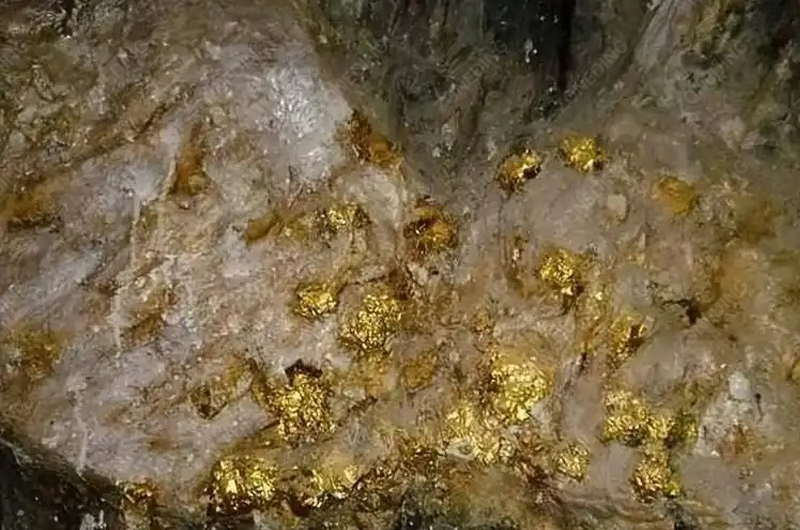
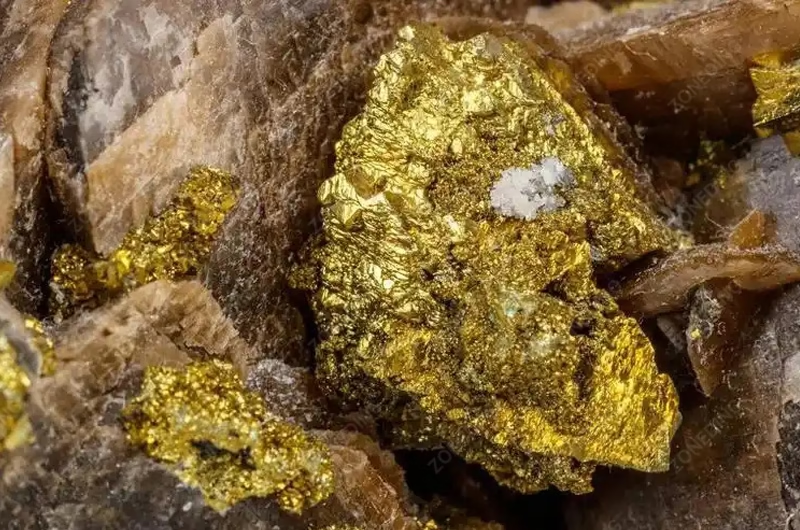
The global demand for silver and gold reaches new heights in 2026. Many industries need these metals for high-tech applications. Gold remains a primary asset for financial stability and central bank reserves. Silver is essential for the green energy transition. Solar panel manufacturers use silver for conductive pastes. Electric vehicle builders need silver for electronic components and battery systems. Most natural deposits contain both metals in the same rock. This reality makes the recovery of both gold and silver a priority for mining companies. Higher metal prices make it profitable to process even low-grade silver-gold ore. Market reports show a 15% increase in silver consumption for industrial use this year. Gold investment continues to grow as a hedge against global inflation. Developing nations in Africa and Southeast Asia are opening new mines to meet this demand. These mines often find “electrum,” which is a natural alloy of gold and silver. Extracting gold from silver-gold ore allows a mine to have two revenue streams. One product sells to investors and the other sells to manufacturers. This diversification protects the mining business from price drops in a single metal. Global production must increase to prevent supply shortages in the technology sector.
Global Production Data 2026
Region
Gold Output (tons)
Silver Output (tons)
Main Industry Drive
China
375
3,500
Electronics & Solar
Australia
320
1,300
Investment Bars
Mexico
110
6,200
Industrial Alloys
Practical tips and suggestions for users
Monitor industrial trends: Watch solar panel production rates to forecast silver demand.
Evaluate ore grades: Conduct laboratory tests to determine the exact silver-to-gold ratio.
Track metal prices: Use real-time price data to decide when to sell refined bars.
Who are the main competitors in this sector?
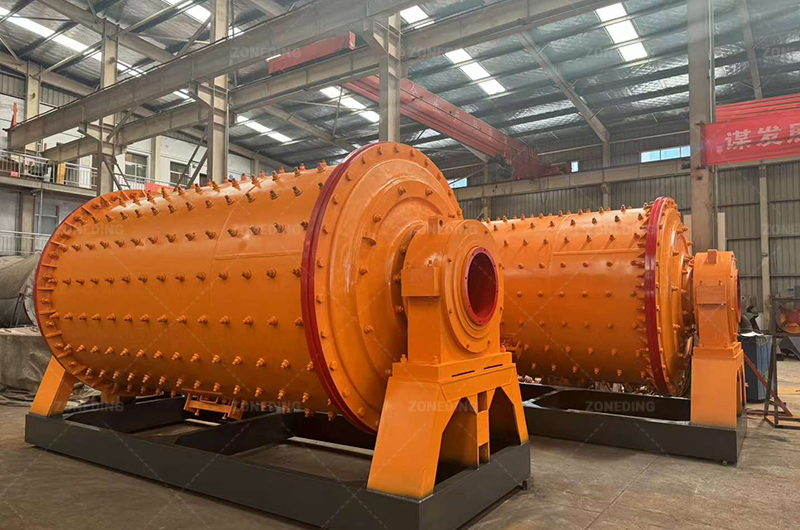
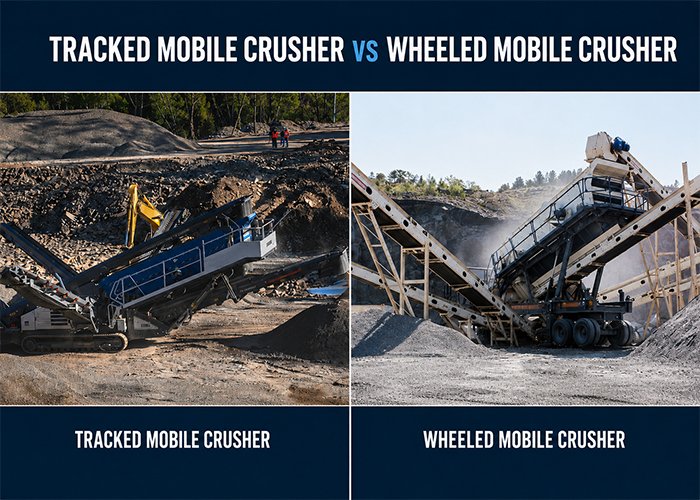
Large international mining corporations dominate the precious metal extraction industry. These companies own massive sites and use high-capacity machinery. They operate Ball Mill units that run 24 hours a day. Their size allows them to negotiate lower prices for chemicals like cyanide. They have dedicated research teams to optimize the Gold and silver separation process. Competitors in Canada, Australia, and China set the global standards for recovery efficiency. Small-scale miners must use high-efficiency equipment to compete with these giants. Technology is the main tool for smaller companies to stay profitable. Local and medium-sized mining contractors also represent significant competition. These firms are often more agile and can start production in remote areas quickly. They use Mobile Crusher plants to move between different ore bodies. This flexibility reduces transportation costs. Some competitors focus specifically on refining services. They buy raw dore bars from smaller mines and charge high fees for separation. Owning a complete Gold Ore Processing Plant is a way to bypass these middleman costs. Modern mines must focus on lowering the cost per ounce to survive in a competitive market.
Competitor Strategy Comparison
Large Corporations: Focus on economy of scale and massive Ball Mill Machines.
Refining Centers: Charge fees for chemical separation and metal purification.
What is the core logic of silver-gold mining?
The core logic of this mining depends on chemical solubility in cyanide solutions. Both gold and silver dissolve when they contact sodium cyanide and oxygen. However, silver reacts much more slowly than gold. Silver often requires a higher concentration of cyanide to stay in the solution. If the cyanide level is too low, only the gold will dissolve. This leaves the silver in the waste material, which is a loss of money. The Gold and silver separation process requires careful management of chemical ratios. Balancing the speed of extraction for both metals is the primary goal of the plant operator. Another logic factor involves the behavior of the metals during collection. In low-silver ores, activated carbon is used to suck the metal out of the liquid. In high-silver ores, the silver takes up all the space on the carbon. This prevents the gold from being captured. This problem is called competitive adsorption. When the silver content is high, the logic shifts to using zinc dust. Zinc forces both metals to turn back into solid form at the same time. This ensures that no gold is pushed out by the silver. Choosing between carbon and zinc depends entirely on the ore composition. Precise Beneficiation Equipment selection is based on this chemical logic.
Metal Solubility and Behavior
Factor
Gold Behavior
Silver Behavior
Operational Impact
Dissolution Rate
Very Fast
Moderate to Slow
Longer agitation time needed
Cyanide Demand
Low
High
Higher chemical costs for silver
Recovery Method
Activated Carbon
Zinc Precipitation
Choice of plant design
Practical tips and suggestions for users
Add Oxidants: Use lead nitrate or oxygen to speed up the silver reaction.
Monitor pH: Keep the solution pH above 10.5 to prevent toxic gas.
Sample Often: Test the liquid every 4 hours to check metal levels.
What are the main silver-gold extraction technologies?
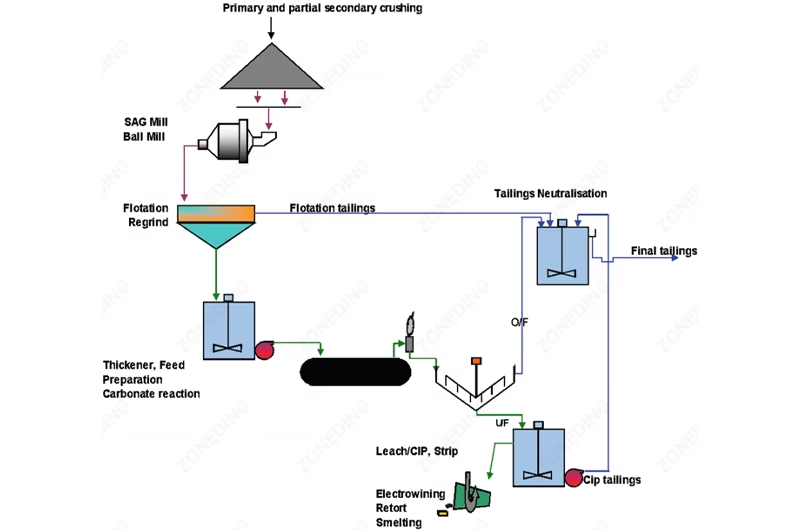
The Merrill-Crowe system is the leading technology for high-silver deposits. This process is a zinc precipitation method. It works by removing oxygen from the metal-rich liquid in a vacuum tower. Then, zinc dust is added to the liquid. The zinc reacts with the dissolved gold and silver. The precious metals fall out of the liquid as a solid precipitate. This technology is very stable for large volumes of metal. It handles high concentrations of silver better than any other method. Many plants use this Gold and silver separation process to produce raw dore bars. It is the industry standard for complex ores. For ores with lower silver content, Carbon-in-Leach (CIL) technology is more common. In a CIL plant, activated carbon is mixed into the leaching tanks. The carbon captures the gold and silver directly from the mud. Afterward, the carbon is separated and the metal is washed off using hot chemicals. The final step for both technologies is refining. This involves Acid parting technology or electrolysis. Electrolysis uses electricity to move gold to a cathode plate while leaving silver behind. Acid parting uses nitric acid to dissolve the silver, leaving pure gold solids. These technologies ensure the final product meets international purity standards.
Merrill-Crowe
Carbon-in-Leach
Electrolysis
Technology Comparison Table
Technology
Ideal Application
Recovery Efficiency
Operational Complexity
Merrill-Crowe
High Silver Ore
97-99%
High
CIL / CIP
Low Silver Ore
94-96%
Medium
Electrolysis
Refining Stage
99.9%
Moderate
Practical tips and suggestions for users
Maintain Vacuum: Ensure the Merrill-Crowe vacuum pump has no leaks.
Regenerate Carbon: Bake used carbon in a kiln to keep it effective.
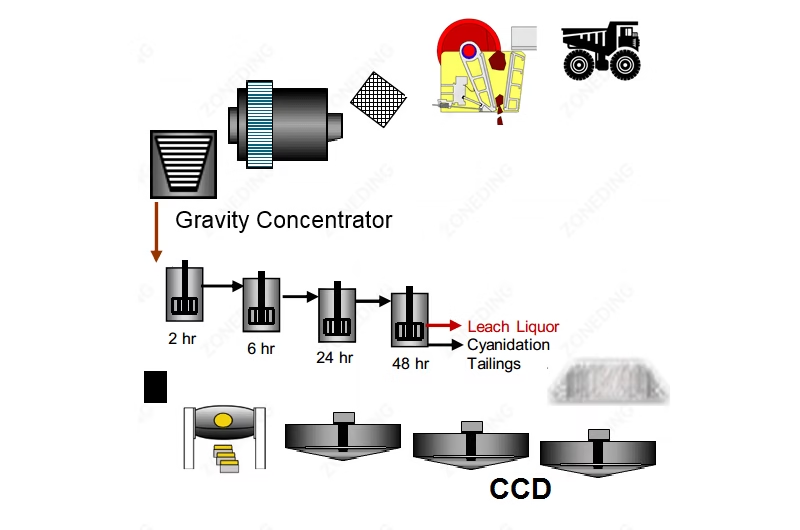
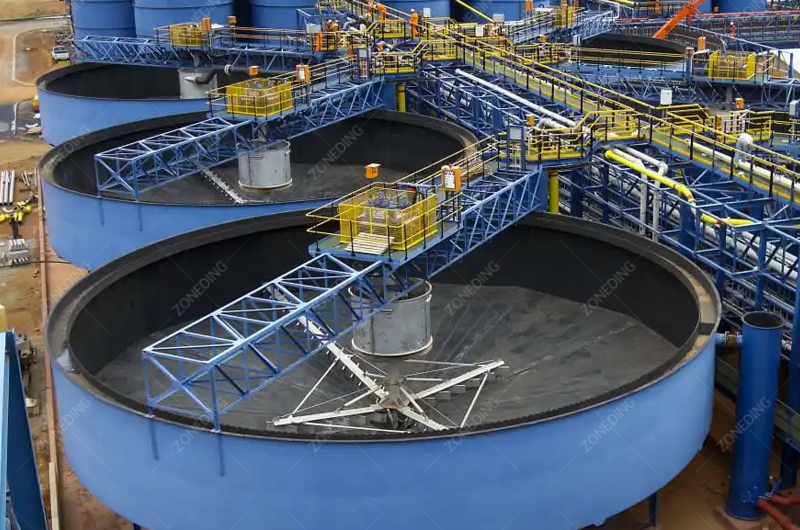
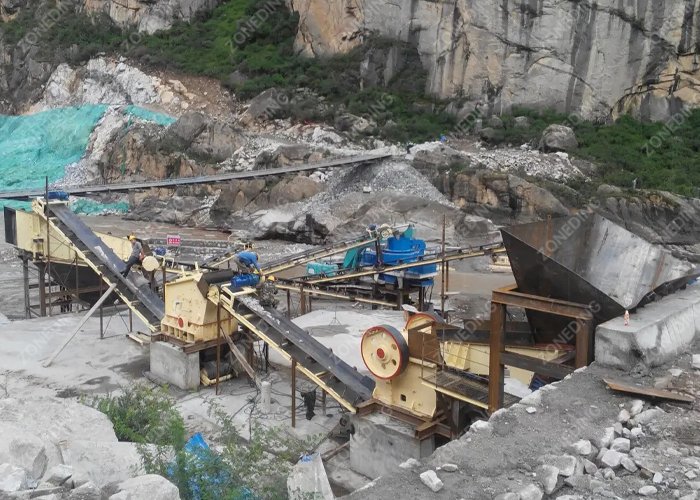
Extracting gold from silver-gold ore follows a path of size reduction and chemical leaching. The process starts with a Jaw Crusher. This machine breaks large rocks into manageable pieces. A second stage uses a Cone Crusher to make the rocks even smaller. Then, the material enters a Ball Mill. The mill grinds the rock into a fine powder. This powder is mixed with water to create a slurry. The goal is to make the powder fine enough for chemicals to reach every metal particle. Usually, 80% of the powder must be smaller than 75 microns. The next stage happens in agitation tanks. Sodium cyanide is added to the slurry. The gold and silver dissolve into the water over 24 to 48 hours. After leaching, the metal-rich liquid must be separated from the rock mud. A High Efficiency Concentrator or a filter press performs this task. The clean liquid then goes to the [Merrill-Crowe system] for precipitation. Zinc dust is added, and the gold and silver fall out as a sludge. This sludge is dried and melted in a furnace. The result is a dore bar. Finally, the Gold and silver separation process uses acid or electricity to separate the two metals into pure bars.
Which essential equipment is needed for separation?
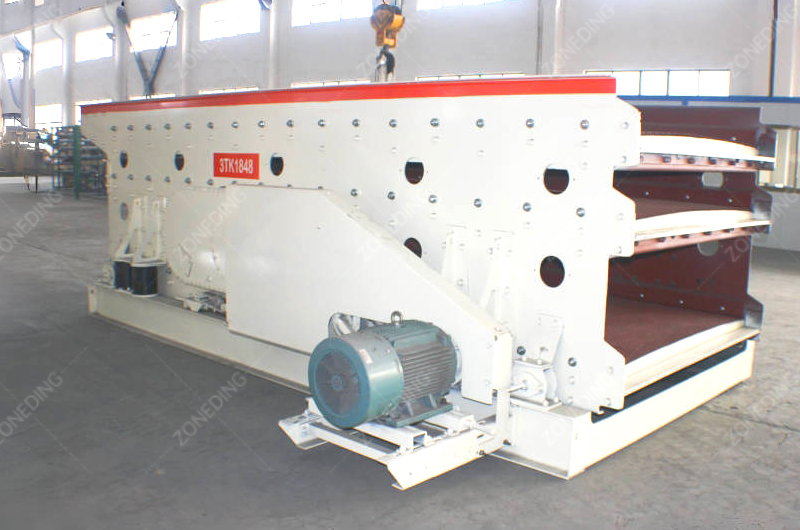
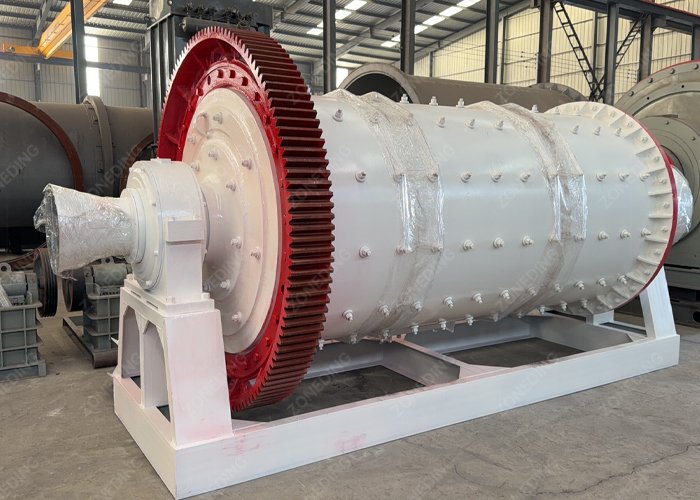
Success in precious metal recovery depends on choosing the right mechanical equipment. A heavy-duty Jaw Crusher is the primary machine for any plant. It handles the toughest rocks and prepares them for further processing. For high-capacity sites, a Cone Crusher provides superior secondary crushing. The most important machine in the entire circuit is the Ball Mill. This equipment ensures the ore is ground to a fine powder. Without fine grinding, the chemicals cannot reach the gold and silver inside the rock. High-quality mill liners and steel balls are required for long-term operation. The chemical stage requires specialized leaching tanks and agitation equipment. These tanks must be made of corrosion-resistant materials to handle cyanide. For the Gold and silver separation process, a Merrill-Crowe precipitation unit is a major investment. This unit includes a vacuum pump, a de-aeration tower, and filter presses. For final refining, a smelting furnace is necessary to melt the precipitate into dore bars. Some plants also include Magnetic Separator units to remove iron impurities. Each piece of equipment must be matched in capacity to avoid bottlenecks in the production line. Using a Vibrating Screen also ensures only the correct size of material moves to the next stage.
What critical points must be managed in silver-gold extraction?
Managing the chemical concentration is the most critical part of the operation. Silver requires more cyanide than gold. If the cyanide strength drops, silver recovery will stop immediately. Operators must test the cyanide levels every few hours. Another critical point is the removal of oxygen before precipitation. Oxygen interferes with the zinc reaction. If the vacuum tower is not working, the gold will not precipitate. This leads to high metal loss in the “barren” solution. A clear liquid is also necessary. Any mud in the precipitation stage will clog the filters and stop the Gold and silver separation process. Safety and environmental control are also vital management points. Cyanide is a toxic chemical. The plant must maintain a high pH to prevent the formation of lethal gas. Automated sensors should monitor the pH at all times. Temperature also affects the speed of extraction. In cold climates, leaching takes longer. Some mines heat the solution to maintain high recovery rates. Finally, the Beneficiation Equipment must be maintained. Worn parts in a Ball Mill lead to coarse grinding. Coarse grinding means the chemicals cannot reach the gold. Regular maintenance prevents these expensive mistakes.
Future development trends of silver-gold mining
Automation and green technology are the future of silver-gold extraction. Modern mines are moving toward remote monitoring. Sensors on Ball Mill Machines send data to computers in real-time. This allows operators to adjust the feed rate without stopping the machine. Automation reduces labor costs and improves safety. There is also a trend toward “cyanide-free” leaching. Scientists are testing chemicals like thiosulfate. These chemicals are safer for the environment. They are becoming more popular in regions with strict environmental laws. Green technology helps mines get operating permits faster. Another trend is the use of modular processing plants. These are factories built inside shipping containers. A modular Gold Ore Processing Plant can be shipped to a remote site and started in weeks. This reduces the initial investment for new mines. Recycling is also growing. Many companies are re-processing old tailings piles. New technology can recover silver that was missed 20 years ago. This turns old waste into a new profit source. In 2025, efficiency is more important than size. Smaller, smarter plants are the industry’s direction.
2025 Technology Trends
Real-Time Analysis: Using X-ray sensors to check ore grade on the conveyor.
Modular Design: Using pre-assembled Mobile Crusher units.
SART Process: Recovering copper and recycling cyanide from gold ore.
FAQs
Question 1: Why does silver take longer to leach than gold? Silver has a lower chemical reactivity in cyanide. It needs more contact time and more oxygen. Typically, gold dissolves in 24 hours, but silver can take 48 to 72 hours. Question 2: What happens if the pH in the tank is too low? If the pH falls below 9.0, cyanide turns into hydrogen cyanide gas. This gas is very toxic and can be fatal to workers. Always use lime to keep the pH high. Question 3: Can I use a Ball Mill for all types of ore? Yes. A Ball Mill is very versatile. It can grind hard quartz or soft clay. It is the most reliable machine for making fine powder in the Gold and silver separation process. Question 4: What is the benefit of the Merrill-Crowe system over CIL? Merrill-Crowe is better for high-silver ore. It can handle large amounts of metal in the liquid. CIL is better for low-grade gold where silver is not the main focus.
About ZONEDING
ZONEDING is a leading manufacturer of mineral processing machinery. We provide complete solutions for the Gold and silver separation process. Our products include Jaw Crusher, Ball Mill, and Flotation Machine. We have 15 years of experience in the mining industry. Our machines are used in over 120 countries. We offer factory-direct prices and professional engineering support for all our clients. Contact ZONEDING today for a custom equipment quote and technical consultation.
The performance of a crusher plant acts as the heart of every modern infrastructure project. High-quality aggregate production for construction determines if a bridge stands for a century or fails in a decade. Choosing the right machinery helps co...
The stands as the most important machine in a modern gold mine. This heavy equipment grinds raw ore into fine particles to release precious metals. Achieving a high recovery rate depends on the efficiency of this grinding process. If the machine f...
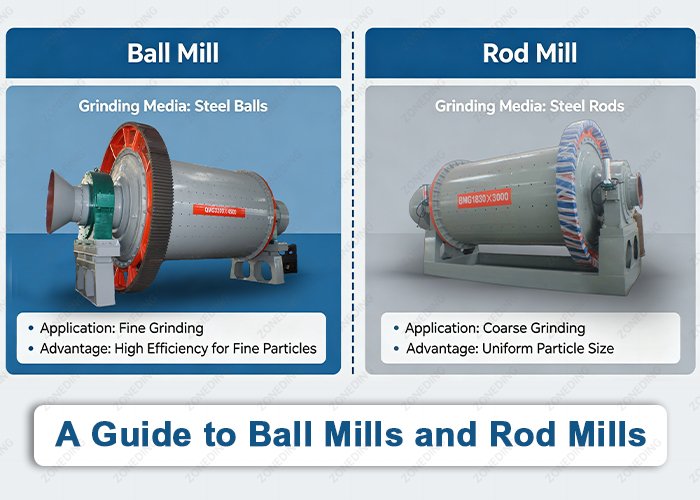
Choosing the right grinding equipment is the most critical decision for any mineral processing plant. Ball mills and rod mills serve different roles in size reduction. This guide provides a deep comparison of their advantages and applications. In ...
We use cookies to ensure that we give you the best experience on our website. If you continue to use this site we will assume that you are happy with it.
Privacy Policy
Send us a message
We would love to hear from you
Submit your question and our team will respond to the email provided as soon as possible.
 Zoneding Machine