 Zoneding Machine












Mobile Crusher Plant in Chile for Copper Mining and Hard Rock
536Compare mobile crusher circuits, capacity, altitude setup, logistics and wear planning for Chile copper and hard-rock projects.
View detailsSearch the whole station Crushing Equipment
Many gold miners focus on recovery equipment such as concentrators, sluices, jigs, and shaking tables.
However, experienced operators know that recovery begins long before gold reaches those machines.
It starts with proper washing, screening, and classification.
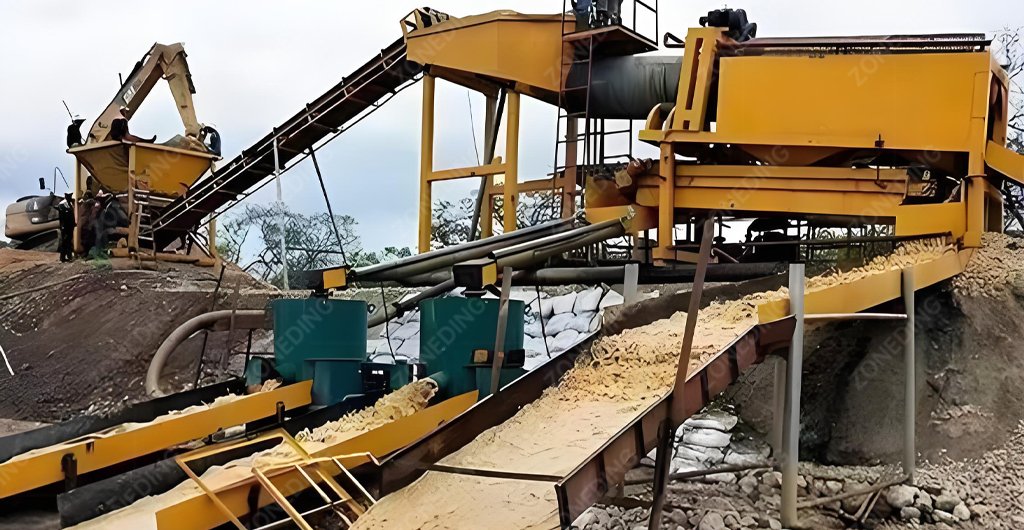
A gold trommel is often the first machine that determines whether downstream recovery equipment will perform efficiently. If material enters the plant with excessive clay, oversized rocks, or unstable particle sizes, even the best recovery equipment may struggle to achieve its design recovery rate.
This is why successful placer mining operations pay close attention to trommel performance rather than simply focusing on tons per hour.
A gold trommel is a rotating cylindrical screen designed to wash, classify, and separate gold-bearing material before recovery.
Unlike recovery equipment, a trommel does not directly recover gold.
Instead, it prepares material for recovery.
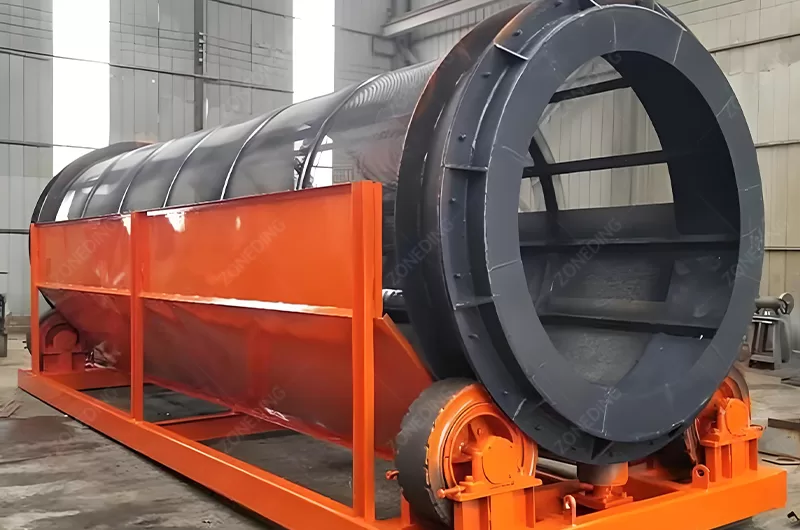
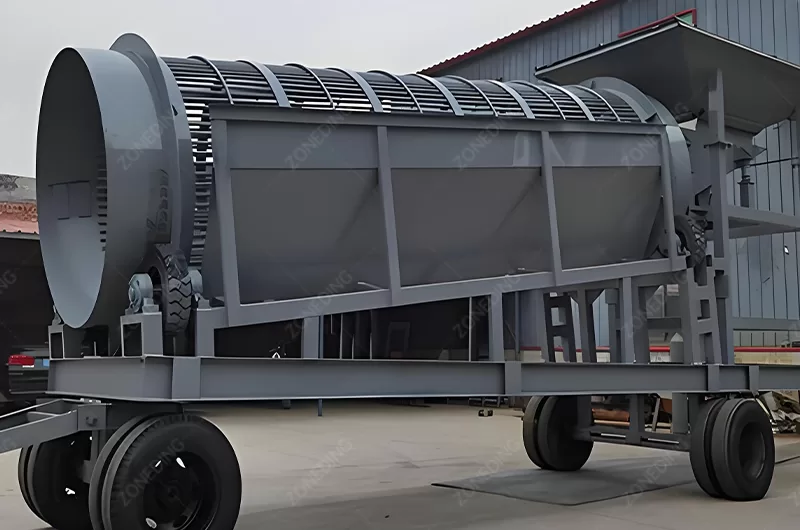
Its primary functions include:
| Function | Purpose |
|---|---|
| Washing | Break up clay and sticky material |
| Screening | Remove oversized rocks |
| Classification | Produce consistent feed size |
| Material Preparation | Improve downstream recovery |
One of the biggest misconceptions among new mine owners is believing that a trommel is simply a screening machine.
In reality, it is one of the most important preparation machines in a gold processing circuit.
A poorly performing trommel can reduce recovery throughout the entire plant.
Material enters the trommel through a feed hopper and moves through the rotating drum.
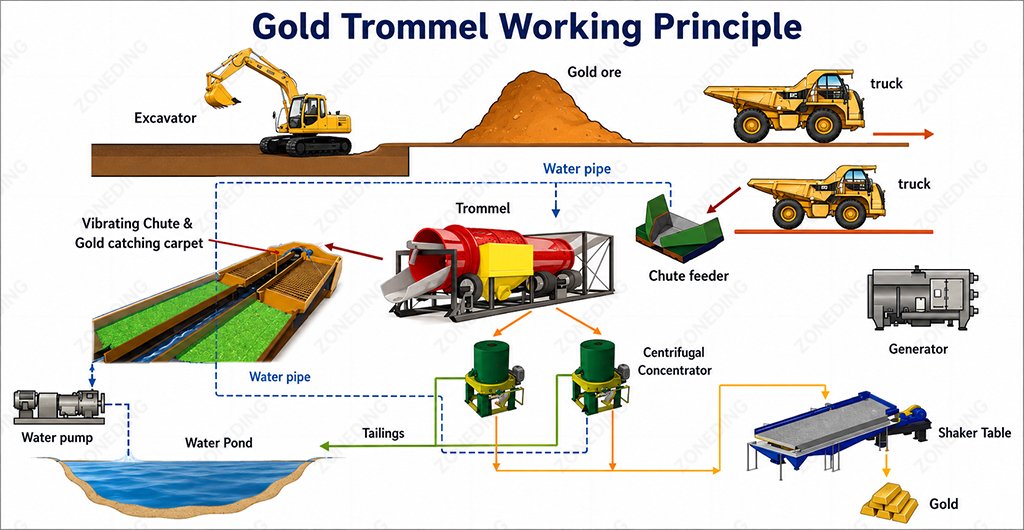
As the drum rotates:
The screened material then flows to recovery equipment such as a Gold Centrifugal Concentrator or a Shaking Table.
One industry reality is often overlooked:
Most trommel problems are actually feeding problems.
Common causes of poor performance include:
In many projects, improving feed consistency increases screening efficiency by 20–30% without changing the trommel itself.
Gold trommels are most commonly used in:
| Ore Type | Trommel Suitability |
|---|---|
| Alluvial Gold | Excellent |
| Placer Gold | Excellent |
| Clay-Rich Gold Deposits | Excellent |
| Tailings Reprocessing | Good |
| Hard Rock Gold | Moderate |
Trommels are particularly effective in alluvial operations because they combine washing and screening in a single machine.
Many modern Alluvial Gold Plants use trommels as the first stage of processing to improve material preparation and reduce downstream wear.
For hard-rock projects, trommels may be used after crushing when ore washing is required before beneficiation.
One of the biggest enemies of gold recovery is clay.
Experienced placer miners often fear clay more than hard rock.
Why?
Because clay can:
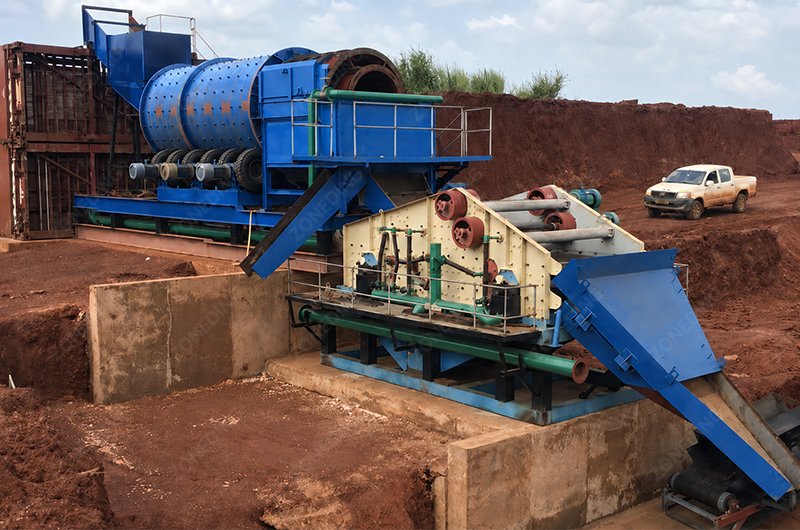
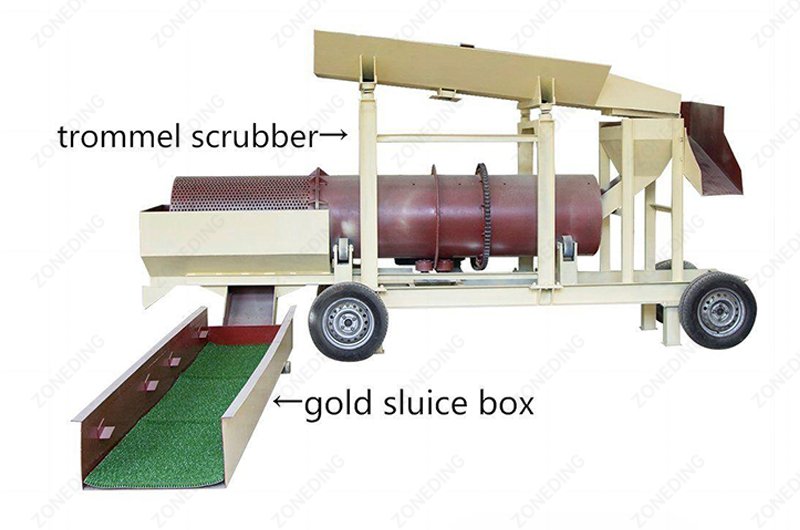
A gold particle trapped inside a clay ball cannot be recovered by a concentrator because the concentrator never sees it.
This is why washing performance is often more important than throughput.
In some deposits, improving washing efficiency increases recovery more than upgrading recovery equipment.
Proper classification also helps recovery systems operate more efficiently.
Instead of processing mixed-size material, recovery equipment receives a more uniform feed.
This is one of the most common questions in gold processing.
The answer depends on the ore characteristics.
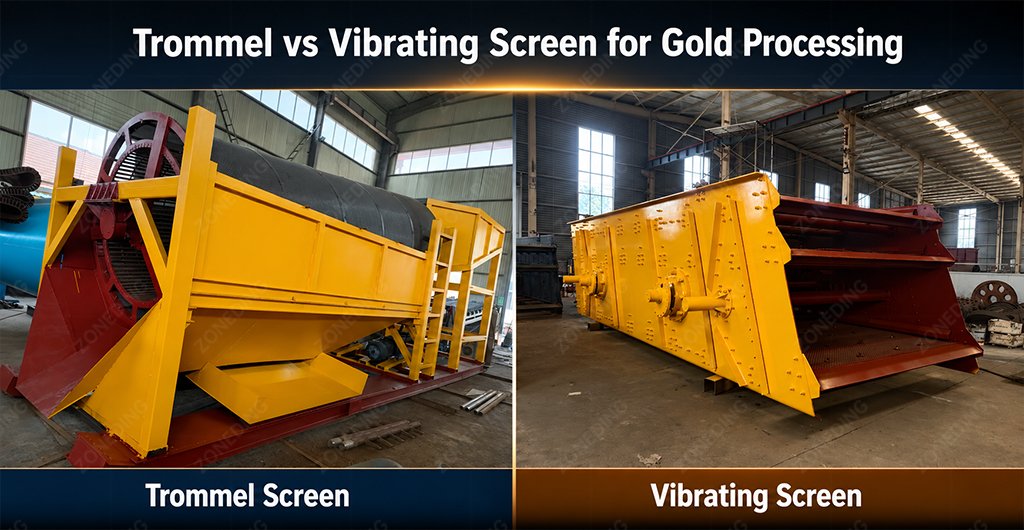
| Feature | Gold Trommel | Vibrating Screen |
|---|---|---|
| Washing Ability | Excellent | Limited |
| Clay Handling | Excellent | Moderate |
| Maintenance | Low | Moderate |
| Classification Accuracy | Good | Excellent |
| Alluvial Gold | Excellent | Moderate |
| Hard Rock Circuits | Good | Excellent |
For clay-rich placer deposits, a trommel is usually the better choice.
For dry crushing circuits, a Vibrating Screen often provides more precise classification.
The most profitable solution is not always the machine with the highest throughput. It is the machine that best prepares material for recovery.
Several factors directly influence trommel performance.
Stable feed improves screening efficiency and washing performance.
Selecting the correct aperture is critical.
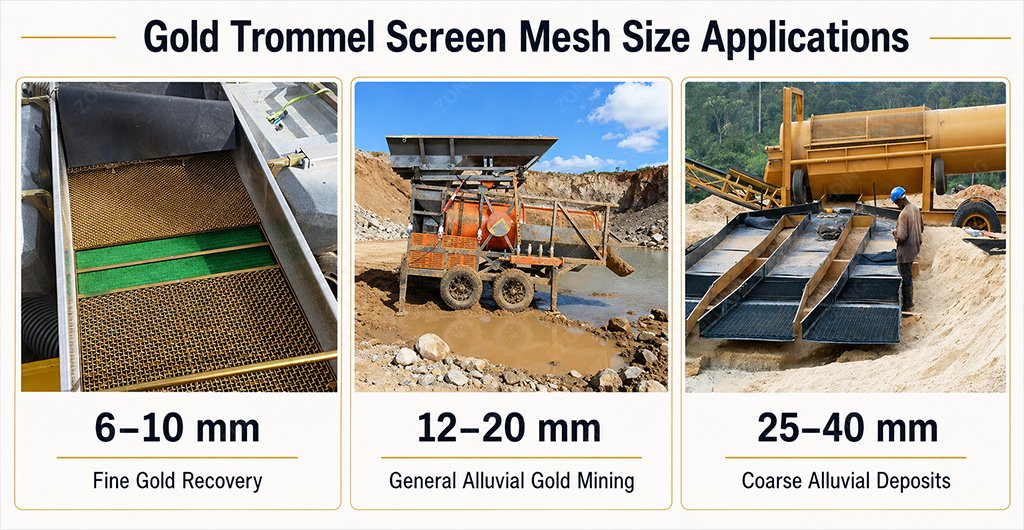
| Screen Size | Typical Application |
|---|---|
| 6–10 mm | Fine gold recovery |
| 12–20 mm | General placer mining |
| 25–40 mm | Coarse alluvial deposits |
Using openings that are too large may allow valuable material to bypass recovery circuits.
Using openings that are too small can reduce throughput significantly.
Water pressure often has a greater impact than drum length.
Experienced operators frequently optimize:
before upgrading equipment.
Excessive rotational speed can:
Insufficient speed can:
Many buyers assume a larger trommel automatically produces more gold.
This is not always true.
An oversized trommel can create:
The best trommel is usually the one properly matched to:
| Selection Factor | Importance |
|---|---|
| Deposit Type | Very High |
| Feed Rate | Very High |
| Water Availability | High |
| Clay Content | High |
| Expected Mine Life | High |
Many 100 TPH placer operations outperform poorly designed 300 TPH plants because their equipment is better matched to the deposit.
Send us:
✓ Ore Type
✓ Capacity Requirement
✓ Clay Content
✓ Feed Size
✓ Project Location
Our engineers can recommend the most suitable trommel and recovery system for your project.
Most trommels are reliable machines.
However, certain areas experience significantly more wear than others.
Common wear locations include:
| Component | Wear Level |
|---|---|
| Feed End Liners | High |
| Spray Zones | High |
| Lifting Bars | High |
| Discharge Section | Moderate |
Regular inspections should focus on these areas rather than treating the entire drum equally.
Another common issue occurs at the oversize discharge.
Many operators assume oversized material contains no gold.
Unfortunately, gold losses often occur because:
Experienced operators periodically inspect oversize discharge piles to verify losses remain under control.
The most successful placer operations monitor recovery rather than throughput.
Consider the following example:
| Operation | Throughput | Recovery |
|---|---|---|
| Plant A | 150 TPH | 70% |
| Plant B | 80 TPH | 92% |
Although Plant A processes more material, Plant B may generate significantly higher profits because it recovers more gold.
This is why experienced operators focus on:
rather than simply maximizing tons per hour.
A properly sized trommel can improve:
A placer gold project in West Africa struggled with unstable recovery despite upgrading its concentrators.
After inspection, engineers discovered the trommel was oversized for the deposit and operating at excessive rotational speed.
Adjustments included:
Results:
| Metric | Before | After |
|---|---|---|
| Recovery Rate | 76% | 89% |
| Water Efficiency | Moderate | Improved |
| Downtime | High | Reduced |
The biggest improvement came from material preparation rather than recovery equipment upgrades.
How does a gold trommel improve gold recovery?
A trommel improves recovery indirectly by washing, screening, and classifying material before it enters recovery equipment.
What screen aperture is best for fine gold recovery?
For many fine gold applications, screen openings between 6 mm and 10 mm provide a good balance between recovery and throughput.
Can a trommel recover gold directly?
No. A trommel prepares material for downstream recovery equipment such as centrifugal concentrators, jigs, and shaking tables.
What causes gold losses in a trommel?
Common causes include excessive clay, insufficient washing, oversized screen openings, and gold trapped in oversize discharge material.
Should I choose a trommel or a vibrating screen?
For clay-rich alluvial deposits, trommels are usually preferred. For dry crushing circuits and precise classification, vibrating screens often perform better.
Are mobile trommels suitable for long-term mining projects?
Not always. Mobile units offer flexibility, but stationary trommels generally provide lower operating costs and better long-term stability for permanent operations.
Most people view a gold trommel as a simple rotating screen.
Experienced miners see it differently.
A trommel is the first machine that determines how effectively material is prepared for recovery. Washing efficiency, classification quality, feed consistency, and clay removal all begin here.
That is why successful gold operations focus on one key question:
How effectively is the trommel preparing material for recovery?
Not:
How many tons per hour can it process?
In many cases, the answer to that question has a greater impact on profitability than any recovery equipment installed later in the process.
ZONEDING provides gold trommels, gold washing plants, gravity recovery equipment, crushing equipment, and complete gold processing solutions for mining projects worldwide.
From small alluvial operations to large commercial gold plants, our team helps customers maximize recovery, reduce operating costs, and improve long-term profitability.
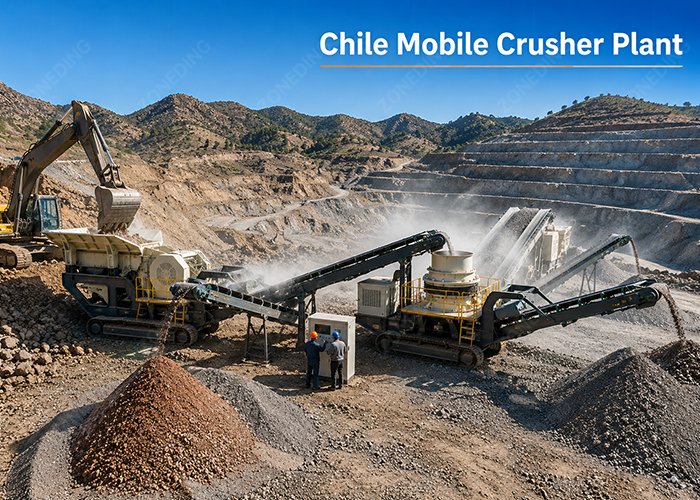
Compare mobile crusher circuits, capacity, altitude setup, logistics and wear planning for Chile copper and hard-rock projects.
View details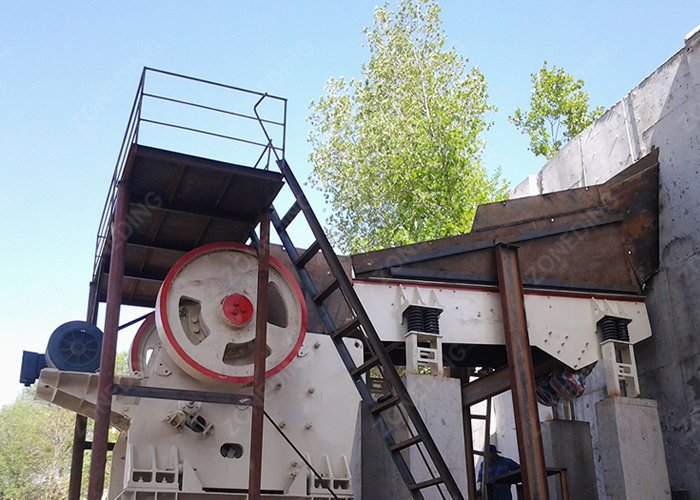
A jaw crusher is the heavy-duty gatekeeper of most mining and aggregate production lines. This primary rock crusher uses high pressure to break large boulders into smaller, manageable pieces. It is the first machine in a crushing plant. Most opera...
View details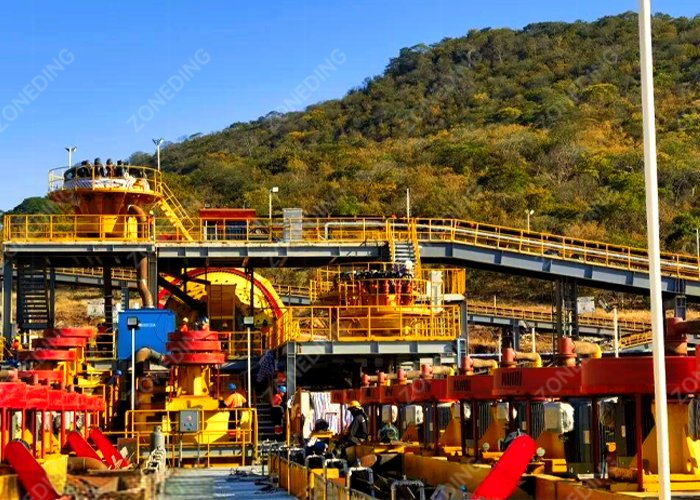
Many investors consider gold cyanidation extraction a simple chemical reaction. Commercial-grade operations face severe mechanical and metallurgical challenges daily. A successful plant demands precise engineering to match the specific ore chemist...
View details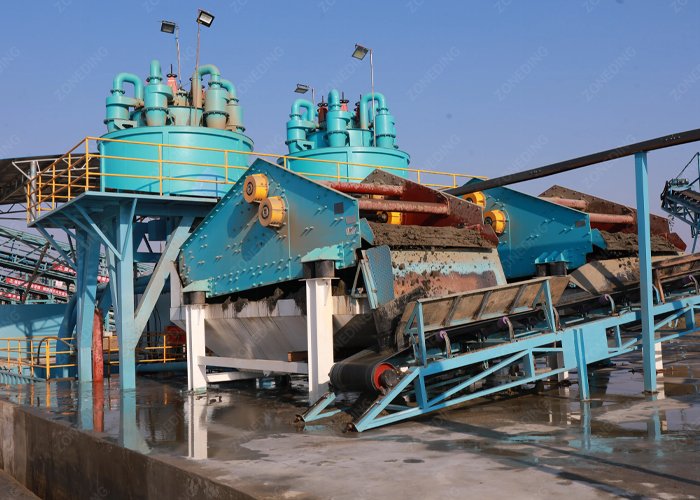
Designing a profitable high-purity quartz sand production line requires strict adherence to physical and chemical principles. Quartz ore processing follows a strict sequence. Operators must crush, grind, classify, and purify the raw rock in order....
View details