Tungsten is a valuable and strategic metal known for its high density and strength. However, processing tungsten ore presents unique challenges. The minerals, wolframite and scheelite, are notoriously brittle. This property makes them prone to over-grinding, which generates fine mineral slimes that are difficult to recover. For this reason, gravity separation is the cornerstone of effective Tungsten Beneficiation.
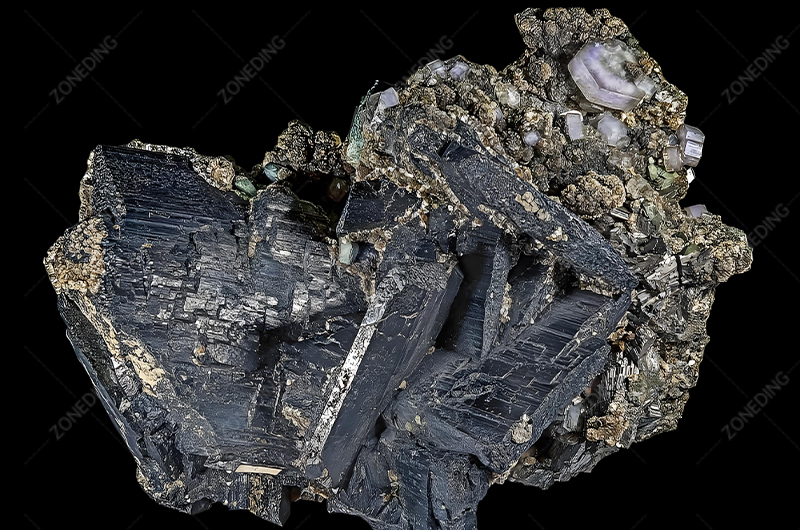
Wolframite
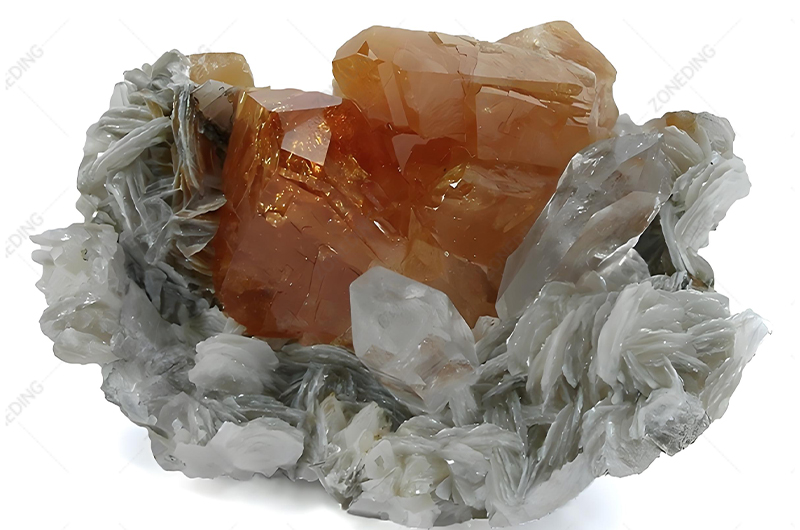
Scheelite
The core philosophy of tungsten recovery is simple: recover the mineral as soon as it is liberated, at the coarsest possible size. This requires a carefully selected combination of Tungsten Gravity Separation Equipment. Each machine has a specific role, from capturing coarse particles to scavenging valuable fines. This guide explains how to combine equipment like jigs, spirals, shaking tables, and centrifuges to maximize recovery and profitability.
Why is Gravity Separation the Lifeline for Tungsten Recovery?
Gravity separation is the primary method for Tungsten Beneficiation because tungsten minerals are extremely dense. Wolframite has a density of 7.1-7.5 g/cm³, and scheelite has a density of 5.9-6.1 g/cm³. This is significantly higher than common gangue minerals like quartz (2.65 g/cm³). This large density difference allows for highly efficient separation based on weight. More importantly, gravity methods are gentle. They do not rely on harsh chemical reactions.
However, the wrong choice or combination of gravity equipment can lead to catastrophic losses. The main enemy in tungsten processing is over-grinding. Every impact in a crusher or mill can turn a valuable, easily recoverable coarse tungsten particle into a nearly unrecoverable fine dust. An effective Gravity Separation Process Flow is a race against this over-grinding. The goal is to liberate and capture tungsten in stages, minimizing the creation of fine slime and maximizing the overall metal recovery.
How Does a Jig Separator Handle Coarse Tungsten for “Early Recovery”?
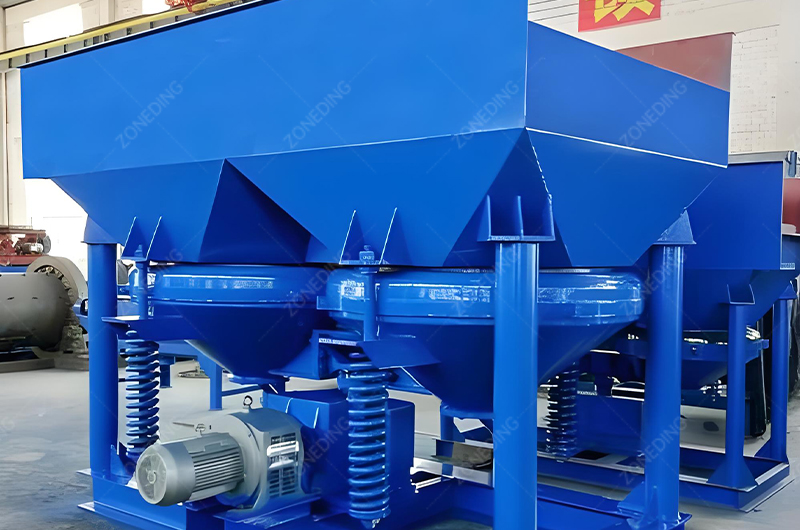
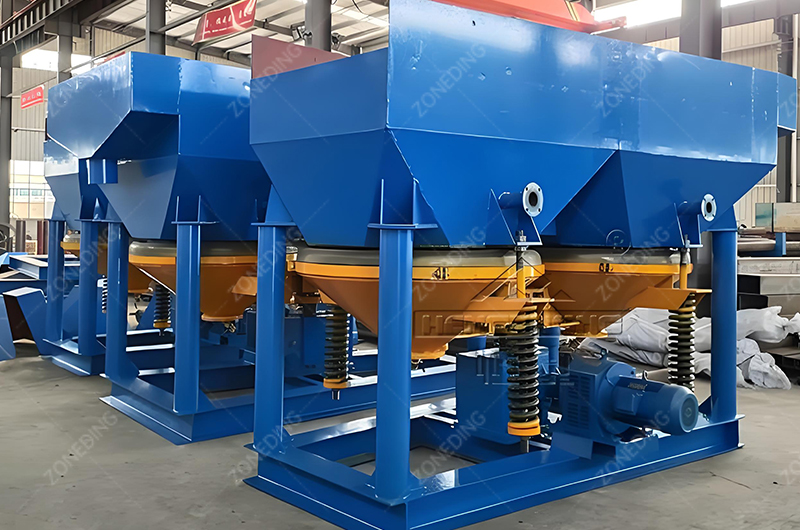
A Jig Separator, or jig, is often the first line of defense in a tungsten gravity circuit. Its primary role is to recover coarse, liberated tungsten particles right after the crushing and primary grinding stages. This principle is called “early and fast recovery.” By capturing this coarse tungsten immediately, the jig prevents these high-value particles from entering subsequent grinding stages where they would be pulverized into slime.
Jigging-Separator-machine
Jigger-Separator-Machine
For a jig to work effectively, the feed material must be strictly sized. Feeding a wide range of particle sizes into a jig results in poor separation. The material should first be screened into narrow size fractions (e.g., 10-5mm, 5-2mm), with each fraction being fed to a separate jig optimized for that size. In many successful tungsten plants, the jigging circuit can recover 30% to 50% of the total tungsten. This makes the Jig Separator not just a roughing device, but a critical component for maximizing plant-wide recovery.
Is the High-Throughput, Low-Cost Spiral Chute Suitable for the Primary Stage?
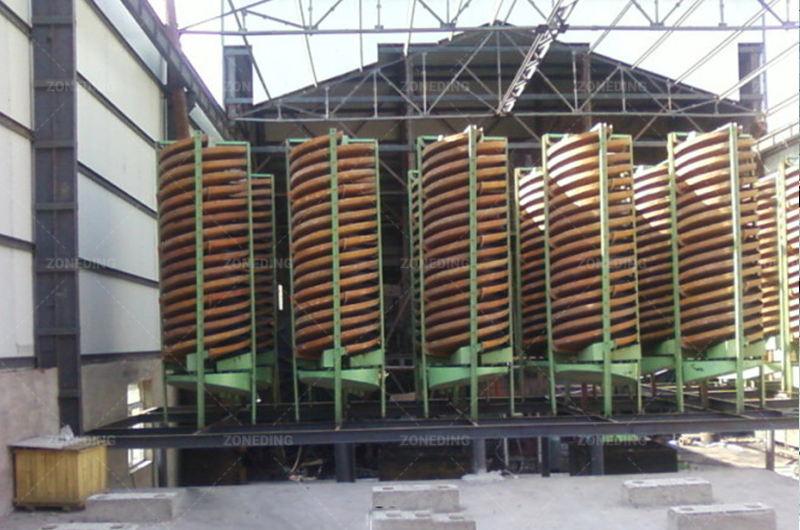
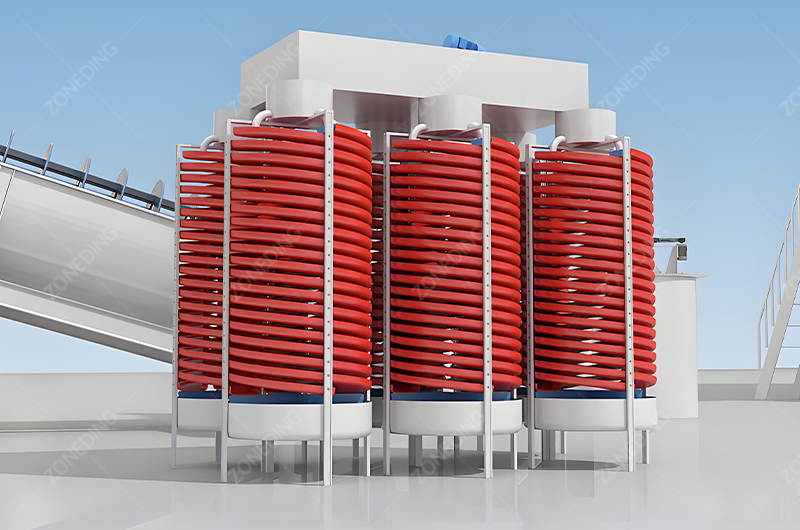
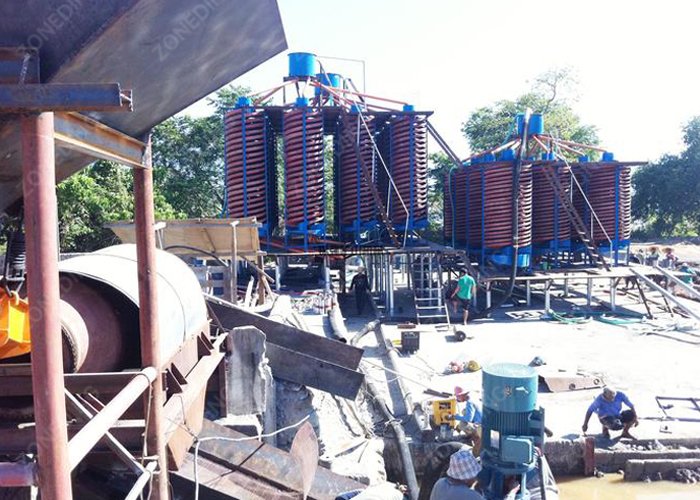
The Spiral Chute is another key piece of Tungsten Gravity Separation Equipment, especially for low-grade ores. It is a simple, high-capacity device with no moving parts and very low operational costs. While not as precise as a shaking table, its strength lies in bulk processing. A spiral chute is ideal for pre-concentrating medium to fine-sized tungsten particles (-2mm to 0.074mm).
Spiral-Chutes
Spiral-Chutes
In a typical flowsheet, a spiral chute acts as a bridge between primary separation (like jigging) and final concentration (on shaking tables). By using spirals to treat the ore first, a plant can discard 70-80% of the barren gangue. This step upgrades the feed for the next stage and drastically reduces the amount of material that needs to be handled by the more complex and space-intensive shaking tables. This Beneficiation Equipment Combination significantly reduces the capital cost and footprint of the entire plant. Uniform feed distribution to each spiral is critical for achieving optimal performance.
Why is a Shaking Table the Final Gatekeeper for High-Grade Tungsten Concentrate?
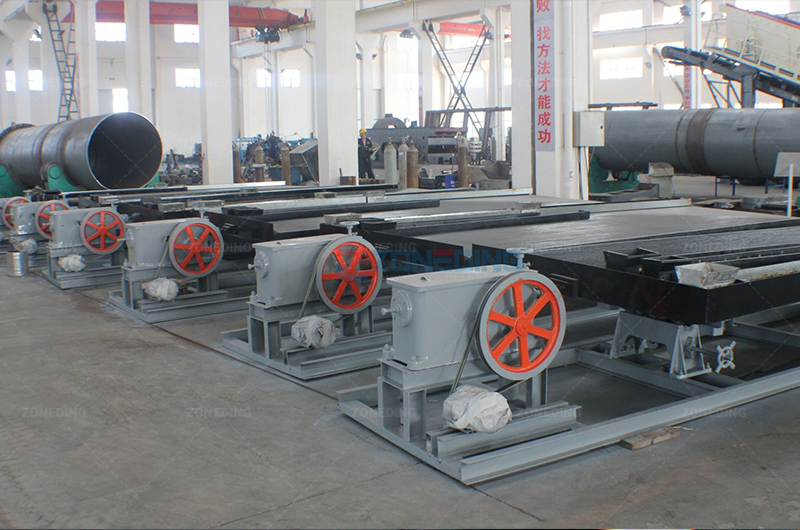
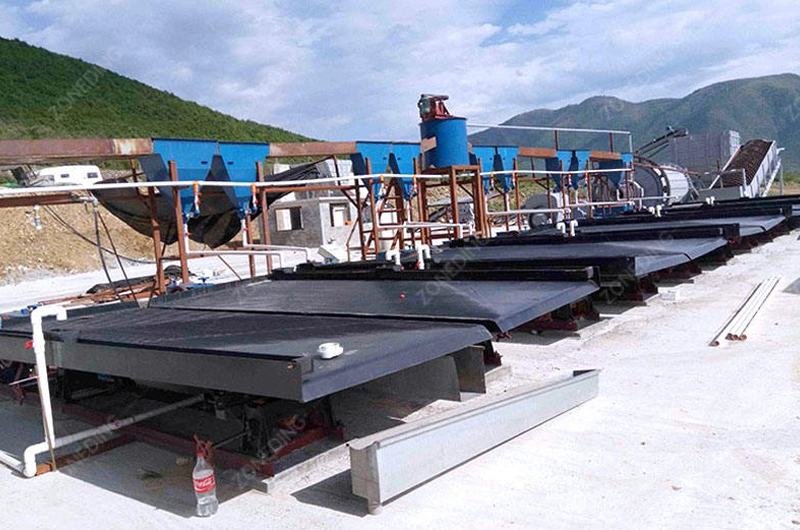
The Shaking Table is the indispensable tool for the final stage of tungsten concentration. It is a precision instrument capable of separating minerals with small density differences. Its role is to take the pre-concentrated material from jigs or spirals and clean it to produce a final, high-grade product. An efficient shaking table operation can raise the Tungsten Concentrate Grade to over 65% WO₃, meeting market specifications.
Shaking-Tables
Shaking-Tables
Effective use of a Shaking Table requires a multi-stage process. A single table cannot produce the final concentrate and final tailings in one pass. A proper circuit includes rougher tables (for initial separation), cleaner tables (for upgrading the concentrate), and scavenger tables (for recovering tungsten from the rougher middlings and tailings). The performance of a shaking table is also a diagnostic tool. The mineral bands that form on its surface give a clear visual indication of the grinding circuit’s performance. A wide middling band, for example, indicates the presence of interlocked particles that require further grinding.
How Does a Centrifugal Concentrator Capture Fine Tungsten Slime?
Even in the best-designed circuits, the creation of ultra-fine tungsten slime is unavoidable. These particles, often smaller than 74 microns, are too light to be effectively captured by traditional gravity equipment like shaking tables and are lost to the tailings. This is where the Centrifugal Concentrator becomes essential. It is the last line of defense for Tungsten Slime Recovery.
Centrifugal Concentrator
Centrifugal concentrator
A Centrifugal Concentrator uses high G-forces, often hundreds of times the force of gravity, to separate fine, heavy particles from lighter ones. It can effectively recover tungsten particles down to just a few microns in size. By installing a centrifugal concentrator in the tailings stream, a plant can capture an additional 10-20% of the tungsten that would otherwise have been lost. This recovered metal is almost pure profit, meaning the investment in this equipment often has a very short payback period and is crucial to Increase Tungsten Recovery.
How to Scientifically Combine Jigs and Shaking Tables into a Custom Tungsten Production Line?
A successful tungsten recovery plant is not just a collection of machines; it is a synergistic system. The scientific combination of different Mineral Processing Equipment is the key. The process must be designed around the principle of “staged grinding and staged separation.” This means recovering liberated minerals at each stage before any further size reduction.
Crushing & Screening: The raw ore is crushed and screened.
Coarse Separation: The coarsely ground material is sized and fed to Jig Separators to recover coarse, liberated tungsten.
Intermediate Grinding & Separation: The middlings and tailings from the jigs are ground further in a Rod Mill (which minimizes over-grinding). This material is then fed to Spiral Chutes for pre-concentration.
Fine Concentration: The concentrates from jigs and spirals are classified and sent to multi-stage Shaking Tables for final cleaning to produce a high-grade concentrate.
Slime Recovery: The fine tailings and overflow from classifiers are directed to a Centrifugal Concentrator to scavenge the last traces of valuable tungsten slime.
This staged approach ensures that each piece of equipment operates on the particle size range for which it is most efficient, leading to the highest possible overall recovery.
Summary and Recommendations
There is no one-size-fits-all solution for Tungsten Beneficiation. The optimal Beneficiation Equipment Combination depends entirely on the specific characteristics of the ore, such as its grade, liberation size, and mineral composition. A successful tungsten processing flowsheet is a carefully balanced system that prioritizes the early recovery of coarse particles and includes a dedicated circuit for fine slime.
The core principle is staged separation. By combining high-capacity roughing equipment like jigs and spirals with high-precision cleaning equipment like shaking tables, and adding a final safety net with a centrifugal concentrator, a plant can maximize its tungsten recovery rate. This intelligent design is the key to turning a challenging ore into a profitable operation.
About ZONEDING
ZONEDING has extensive experience in designing and supplying complete solutions for mineral processing worldwide. Since 2004, we have provided a full range of Tungsten Gravity Separation Equipment, from individual machines to complete turnkey plants. Our team of engineers specializes in analyzing ore characteristics and developing customized process flowsheets that deliver maximum efficiency and recovery.
We offer a comprehensive suite of services, including process design, equipment manufacturing, on-site installation, and long-term technical support. Our commitment is to provide robust, reliable, and cost-effective Beneficiation Equipment that helps our clients achieve their production goals.
Contact us to discuss the specific needs of your tungsten project. Let ZONEDING’s expertise help build a processing line that turns potential into profit.
Aggregate plants face challenges with hard rock processing daily. Cone crushers in the aggregates industry solve this exact problem efficiently. High-grade construction projects require perfectly shaped stones constantly. These machines handle ext...
Efficient washing of chrome ore stands as the most vital step to increase mineral grade and market value. Many mining projects fail because sticky clay stays on the ore during the initial stages. This comprehensive guide explains how the right&nbs...
Chrome gravity separation represents the most cost-effective method to produce high-grade chrome in 2026. Experience in South Africa and Turkey proves that mineral density remains the strongest profit driver. This process uses the natural weight o...
Buying a stone crusher is a major investment for any quarry, mining, or aggregate production business. The wrong equipment can increase downtime, wear cost, and energy consumption for years. Meanwhile, the right crushing system can improve product...
We use cookies to ensure that we give you the best experience on our website. If you continue to use this site we will assume that you are happy with it.
Privacy Policy
Send us a message
We would love to hear from you
Submit your question and our team will respond to the email provided as soon as possible.
 Zoneding Machine