 Zoneding Machine












Mobile Crusher Plant for Colombia Road and Quarry Projects
536Compare 50–200 TPH mobile crusher setups for Colombia road, quarry, river stone and recycling projects, including logistics and wear parts.
View detailsSearch the whole station Crushing Equipment
ZONEDING has observed the evolution of mineral processing technology.It went from basic setups to today’s highly integrated solutions. For Limestone Crushing, mobile plants have become a strategic tool. They unlock efficiencies and cost savings. Many traditional, fixed-plant operators still struggle to grasp this. It means more than just moving equipment. It reshapes the economics and logistics of a project. This guide shows how these plants deliver significant cost optimization and efficiency doubling. It explains why they are critical for modern operations.
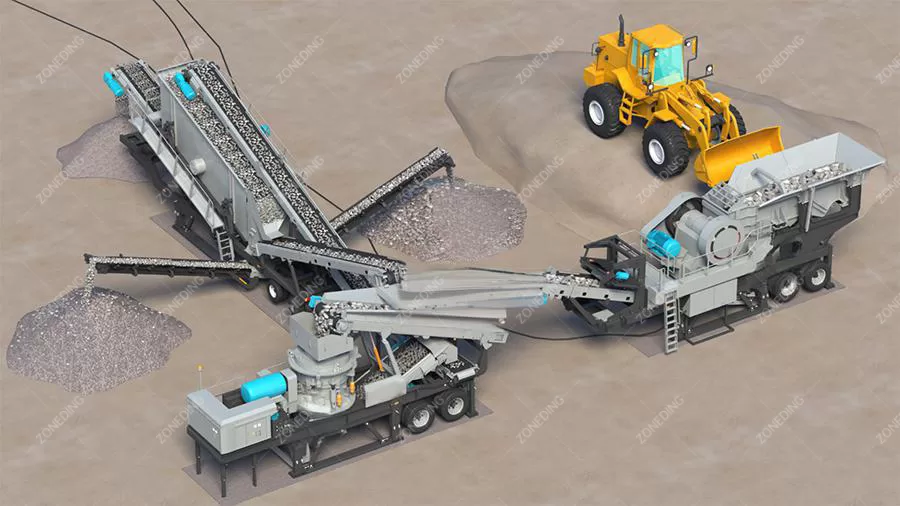
Traditional fixed crushing plants present numerous challenges to project viability. High upfront capital expenditure is needed for extensive civil engineering, large foundations, and complex steel structures. Long construction timelines delay production and risk permitting delays. Once built, fixed plants are immobile, confining their use to one location. Quarry face movement or deposit depletion reduces efficiency, requiring longer hauls and significantly increasing costs.
For high-volume limestone, these issues are very noticeable. The constant need for haul trucks to a fixed primary crusher creates bottlenecks and enormous variable costs per ton, including fuel, tire wear, and road maintenance. Their fixed nature also hinders adaptation to changing market demands and diverse material processing. These limitations compromise competitiveness, cost control, and operational flexibility in today’s dynamic market.
Mobile crushing plants revolutionize the game, eliminating site limitations through rapid, flexible deployment adapted to varied working conditions. ZONEDING’s self-contained, track- or wheel-mounted units require minimal permanent foundations. Setup takes days or weeks, not months or years, dramatically reducing civil works and accelerating project commissioning and revenue generation. This speed to market offers a decisive competitive advantage, especially for time-sensitive projects or new ventures.
Mobile plants enable companies to utilize numerous smaller limestone deposits or satellite pits that would otherwise be untouched due to the high CAPEX of fixed plants. Mobile Crushing Plants transform this equation, broadening resource access, reducing reliance on single deposits, and mitigating geological risk. For contract crushers, this means serving multiple clients across wider geographical areas, maximizing asset utilization and revenue potential.
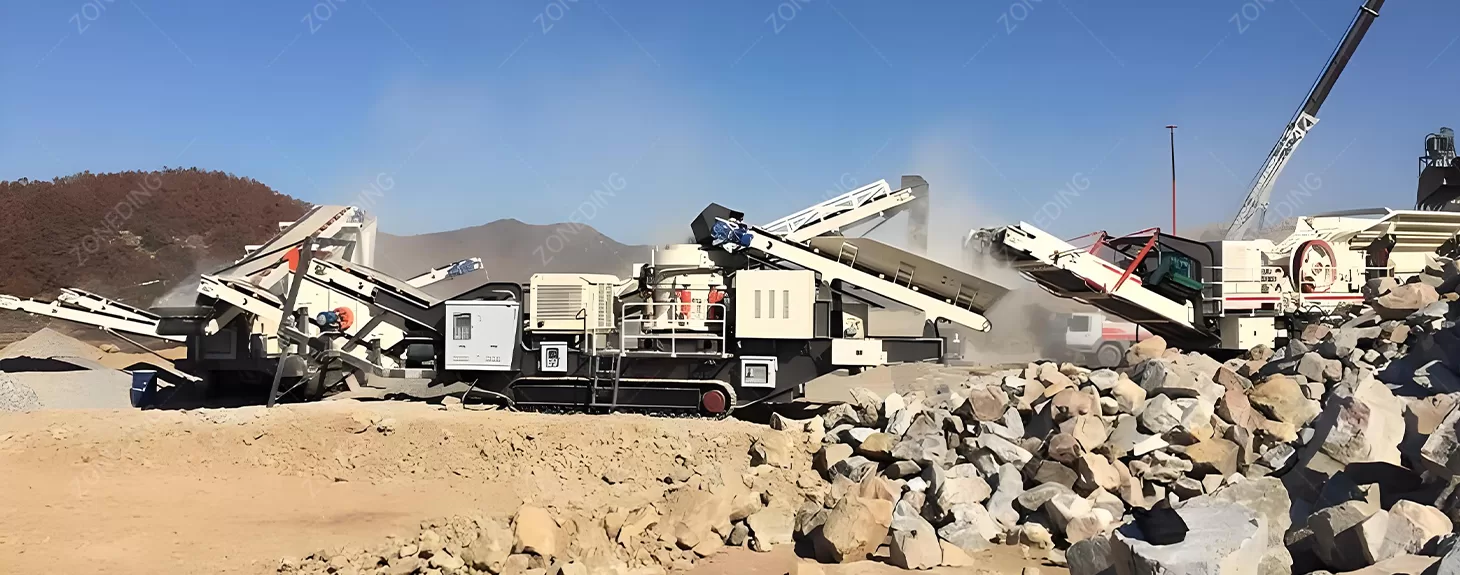
The “Live Face” Advantage of mobile crushing plants, operating directly at the quarry face, profoundly alters operational logistics and material handling. Fixed plants necessitate long, costly haul truck journeys from the face, creating bottlenecks and significant variable costs per ton.
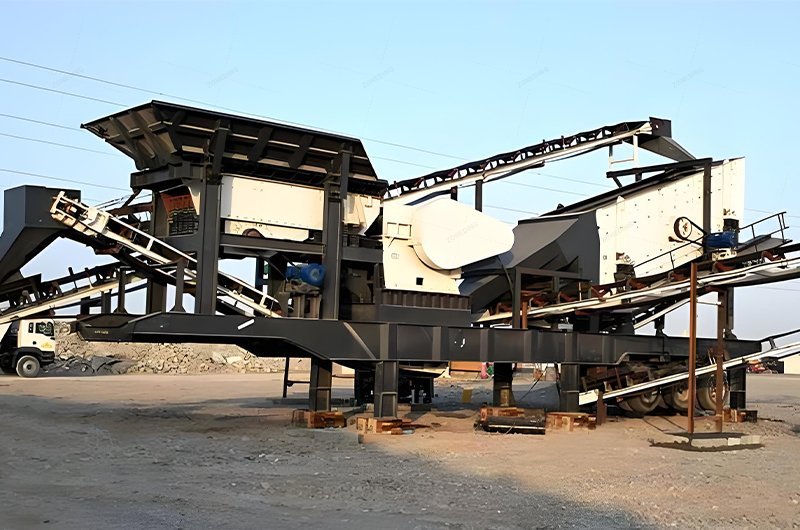
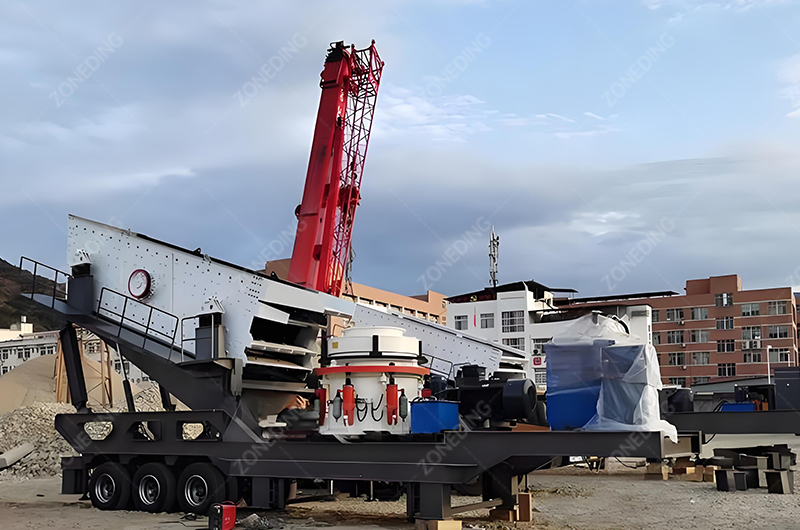
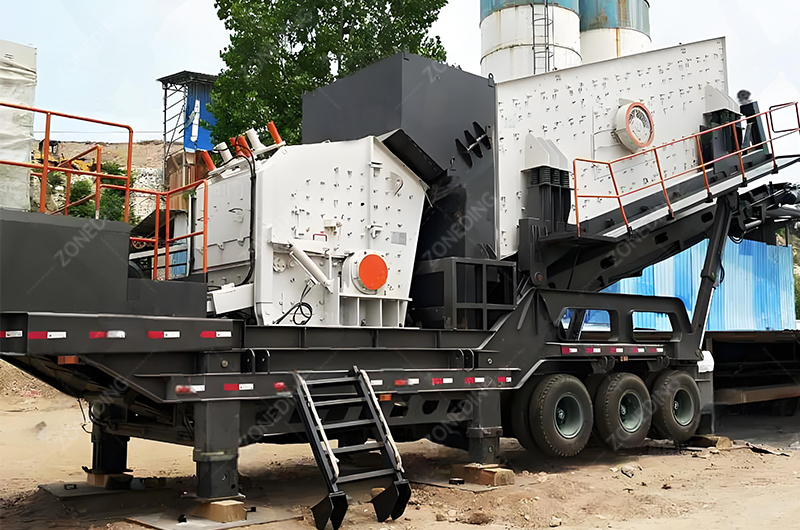
Placing the primary (and often secondary) Mobile Impact Crusher directly at the muck pile drastically cuts raw material haul distances, often by over 80%. This reduces haul truck needs, fuel consumption, tire wear, road maintenance, and operator requirements. For high-volume materials like limestone, this yields monumental, bottom-line savings, far exceeding initial equipment costs. It also frees haul trucks for finished product or overburden, optimizing their use. Immense savings in civil construction costs are achieved, as mobile units require minimal or no permanent foundations.
| Cost Factor | Traditional Fixed Plant | Mobile Crushing Plant | Savings Potential (Estimated) |
|---|---|---|---|
| Haul Truck Fuel | High | Significantly Lower (On-site) | 30-50% |
| Haul Truck Tire Wear | High | Significantly Lower | 25-40% |
| Road Maintenance | High | Low | 70-90% |
| Civil Construction | Very High | Minimal | 80-95% |
| Time to Production | Months – Years | Days – Weeks | 90% Faster |
| Relocation Costs | Very High / Impractical | Low | Substantial |
Mobile crushing plants provide unparalleled configuration flexibility, enabling “Right Sizing” for material variability and market demands. Unlike fixed plants, which are often inefficient for varied limestone characteristics (soft to hard), ZONEDING’s Tracked Jaw Crusher and other mobile units excel. They allow easy equipment swaps: an impact crusher for cubical product/less abrasive material, or a jaw-cone for harder seams/higher reduction. This ensures the “right tool for the job,” optimizing production and product quality. Mobile setups swiftly adapt to shifting market demands or new sites without extensive re-engineering, guaranteeing high output and quality product.
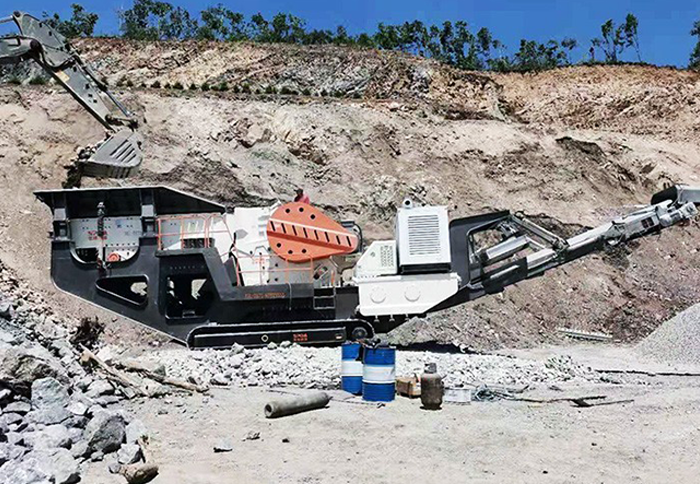
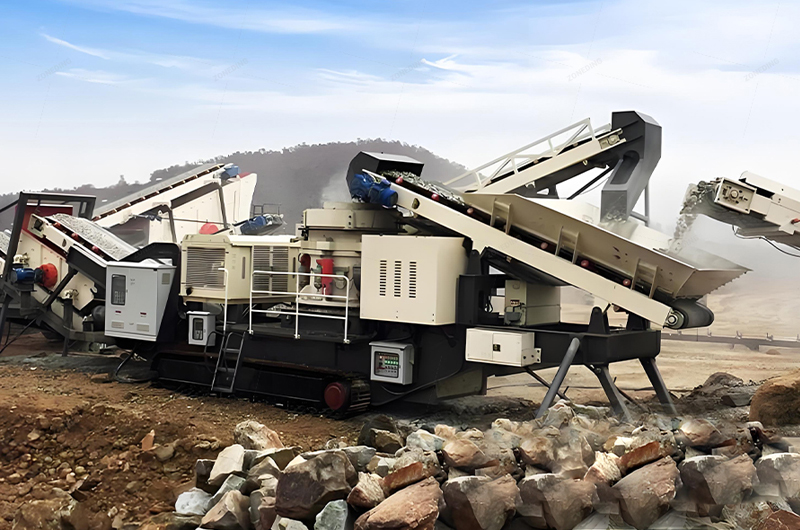
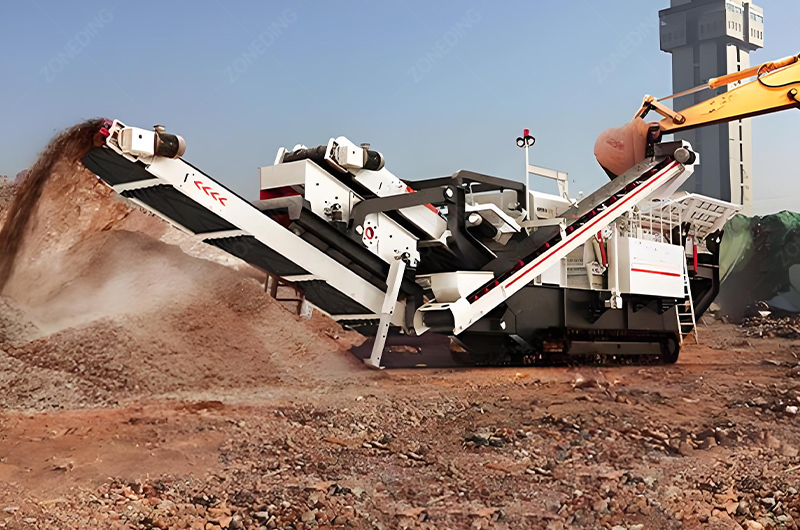
Mobile crushing plants are leaders in environmental compliance. They enable progressive mining and reclamation, minimizing disturbed areas and reducing long-term rehabilitation costs by facilitating immediate backfilling as the quarry advances. This approach also allows efficient overburden handling into reclaimed sections, demonstrating strong sustainability.
Modern mobile plants feature integrated dust suppression systems (water sprays, optimized flow) to reduce fugitive dust emissions, crucial for limestone. Their compact design centralizes maintenance, enhancing safety and meeting health regulations. ZONEDING’s Mobile Stone Crusher systems incorporate these features as standard.
Choosing between fixed and mobile crushing solutions is a key investment decision. Fixed plant investments carry significant risk for Limestone Crushing projects, as geology or market shifts can render them sunk costs, difficult and expensive to relocate.
Mobile crushing plants offer far greater financial flexibility. As a highly liquid asset, they can be easily moved, repurposed, or sold if a project ends, market conditions change, or a deposit depletes. This inherent mobility significantly lowers financial risk, making them attractive for dynamic markets and new ventures. Projects with the following characteristics are ideal for mobile crushing solutions:
| Project Characteristic | Why Mobile Crushing is Ideal |
|---|---|
| Short-term/Temporary | Quick setup, easy relocation after project completion. |
| Small/Distributed Deposits | Profitable exploitation of small, isolated quarry locations. |
| Remote Locations | Reduces extensive civil works and logistics for infrastructure. |
| Varied Material Properties | Easy configuration changes to adapt to different limestone types. |
| Changing Product Demands | Flexibility to produce various aggregate sizes and shapes. |
| Strict Environmental Rules | Integrated dust/noise control; supports progressive reclamation. |
| Contract Crushing | Enables servicing multiple clients across different sites. |
Question 1: What type of limestone is best suited for mobile crushing plants?
Mobile crushing plants are versatile, handling most limestone types. They are especially good for deposits with varying hardness or those requiring frequent relocation, including soft to moderately hard limestone.
Question 2: How long does it take to set up a typical ZONEDING mobile crushing plant?
A typical ZONEDING mobile crushing plant can be set up within 1-3 days, depending on the model and site. This rapid deployment is a key advantage over fixed plants.
Question 3: Can mobile crushing plants produce different sizes of aggregate from limestone?
Yes, ZONEDING mobile crushing plants are highly flexible. They can be configured with different crushers and screens to produce various aggregate sizes, meeting diverse market demands for limestone products.
Question 4: What are the main environmental benefits of using a mobile crushing plant for limestone?
Mobile crushing plants offer several environmental benefits, including reduced dust and noise emissions via integrated systems, progressive site reclamation, and lower fuel consumption by minimizing haulage, leading to a smaller environmental footprint.
Mobile crushing plants represent a true revolution in Limestone Crushing. They offer significant advantages over traditional fixed plants. These include dramatic cost optimization. They provide enhanced operational efficiency. They also ensure environmental compliance. From eliminating extensive civil works to reducing haulage costs, their benefits are clear. They are versatile for varied material types. They adapt to changing market demands.
ZONEDING strongly recommends evaluating mobile crushing solutions for subsequent projects. ZONEDING’s advanced Mobile Crusher technologies are designed for maximum productivity. They ensure minimal environmental impact. They deliver the highest return on investment. Partnership with ZONEDING can assist in designing and implementing a solution. It will meet specific needs. It will exceed expectations.
ZONEDING MACHINE is a leading Chinese mineral processing equipment manufacturer. It specializes in B2B solutions. ZONEDING has provided reliable equipment since 2004. The factory covers 8,000 square meters. It produces over 500 units annually. The product range is comprehensive. It covers crushing, grinding, beneficiation, screening, and drying. ZONEDING offers full-service support. This includes design, manufacturing, installation, training, and after-sales service. Products export to over 120 countries. ZONEDING commits to delivering high-quality, customized, and efficient solutions. These help operations achieve their goals.
Contact ZONEDING today to discuss limestone crushing projects.
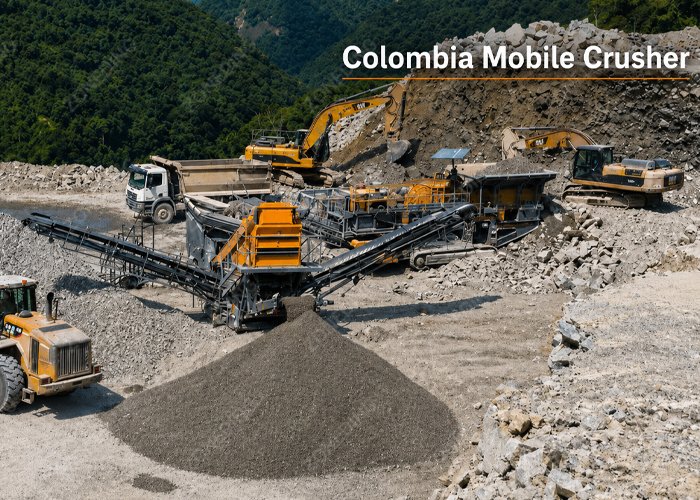
Compare 50–200 TPH mobile crusher setups for Colombia road, quarry, river stone and recycling projects, including logistics and wear parts.
View details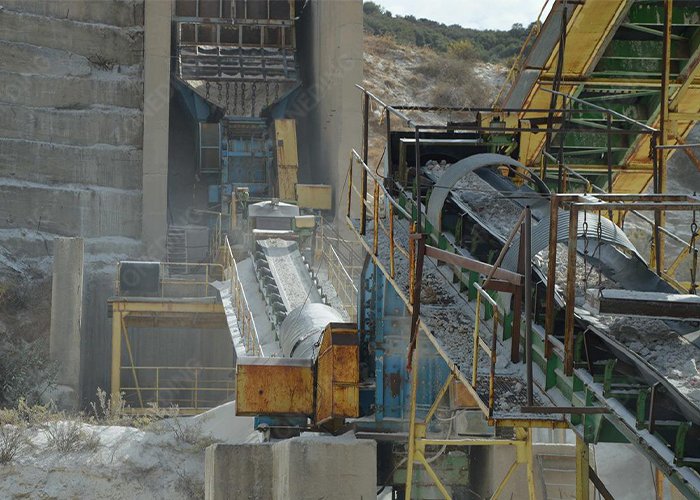
Potassium feldspar is an important industrial mineral widely used in ceramics, glass manufacturing, construction materials, and chemical industries. Before potassium feldspar can be used in these applications, it must first be crushed into suitabl...
View details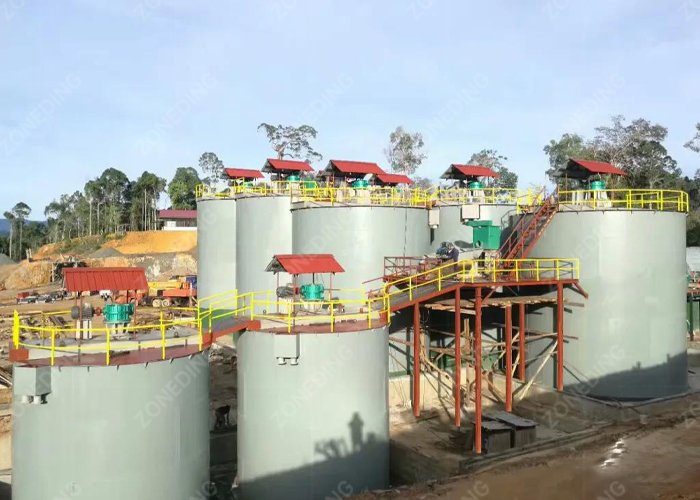
When a client asks about the , they usually expect a simple price for tanks, pumps, and conveyors. However, the equipment quote is only the tip of the iceberg. In my experience, the equipment represents only 30% to 40% of the total investment. The...
View details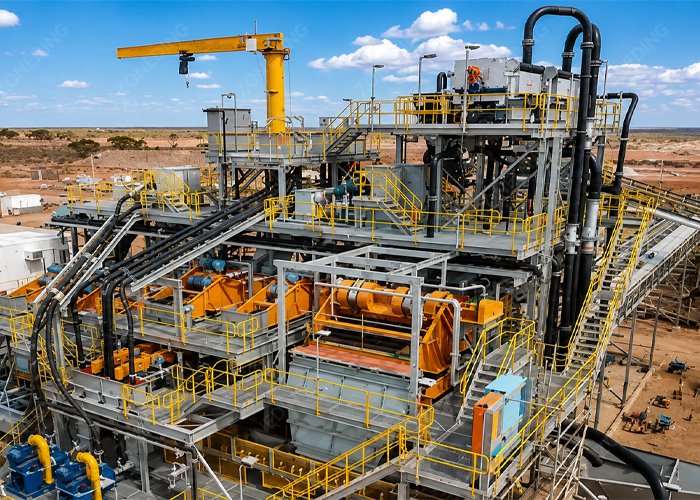
Learn what affects lithium processing plant cost, what equipment you need, and how ore type, capacity, and flowsheet change total investment.
View details