The manganese mining landscape in 2026 faces a distinct challenge: the depletion of high-grade oxide reserves. The industry focus has shifted entirely to Refractory Manganese Ore Processing. These deposits are geologically complex, often containing high levels of phosphorus, iron, and silica, or appearing as fine-grained carbonates. Profitability in this sector no longer depends on extraction volume but on beneficiation efficiency. Implementing precise physical and chemical separation circuits is the only viable method to upgrade these difficult ores into marketable concentrates. This technical overview outlines the most effective equipment and flow strategies for modern manganese plants.
Understanding your raw material is the first step. I categorize manganese ores into three main industrial groups based on their mineral composition and processing difficulty.
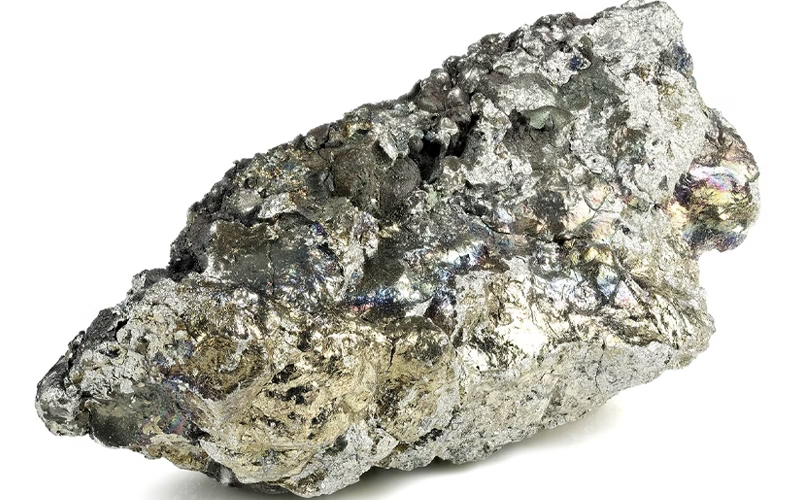
Manganese Oxide Ore
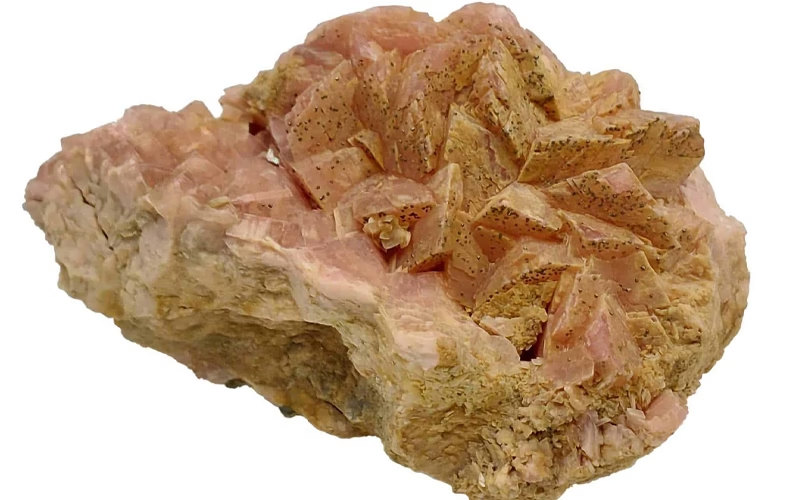
Manganese Carbonate Ore
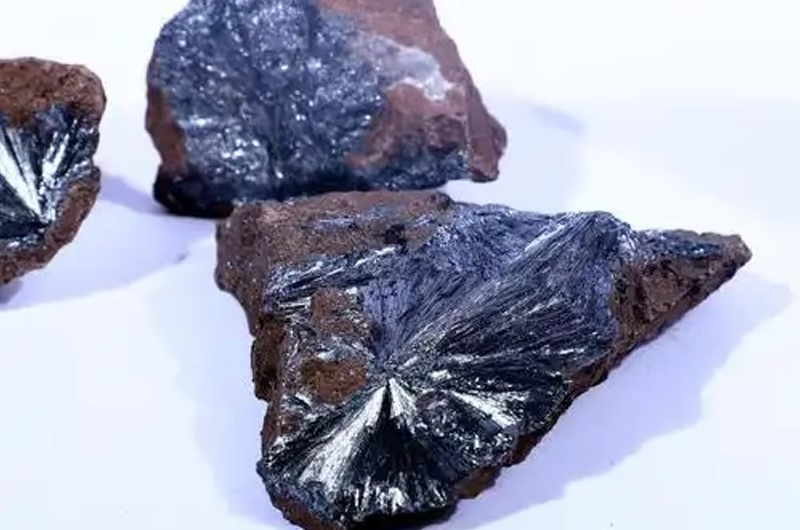
Refractory (Polymetallic) Ores
1. Manganese Oxide Ores
These are the most common commercial ores. They include minerals like Pyrolusite and Psilomelane. They usually have a high density. Separation is relatively easy using physical methods.
2. Manganese Carbonate Ores
These include Rhodochrosite. They are often finer-grained. The density difference between the ore and the waste rock is small. This makes gravity separation difficult. Flotation or strong magnetic separation is often required.
3. Refractory (Polymetallic) Ores
This is the hardest category. It includes Ferromanganese ores (high iron) or ores with high phosphorus content. Simple physical separation is often not enough. We may need to use roasting or chemical leaching to separate the impurities.
Industrial Applications of Manganese
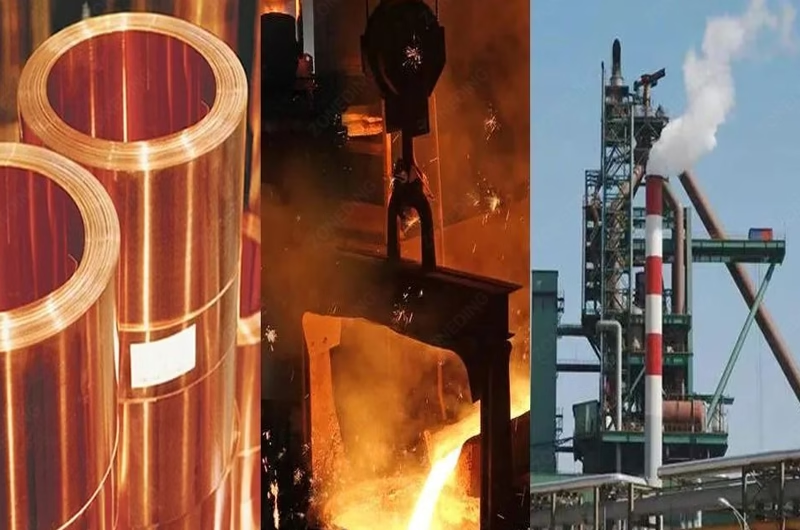
Manganese-Application-in-Steelmaking
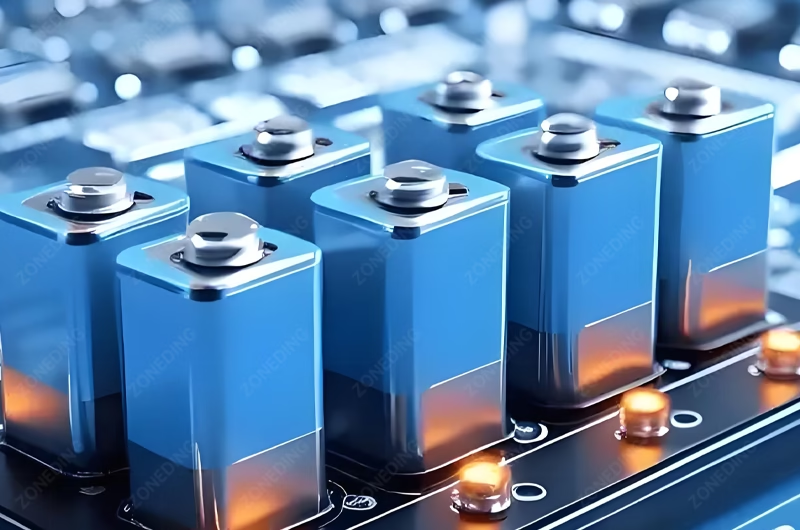
Manganese is used in the battery industry
Steel Industry: 90% of global manganese production goes into steelmaking. It is an essential desulfurizing agent. It removes oxygen and sulfur from molten iron. It also converts brittle iron into hard steel. There is no substitute for manganese in this sector. Battery Sector: In 2026, the demand from the Electric Vehicle (EV) market is exploding. High-purity manganese sulphate is a key component in lithium-ion batteries. This sector requires the highest grade of processed concentrate.
The Manganese Ore Processing Workflow?
General Flow: Every efficient plant follows a four-stage logic: Crushing, Scrubbing, Separation, and Dewatering. I will break down the standard flow we use at ZONEDING for most clients.
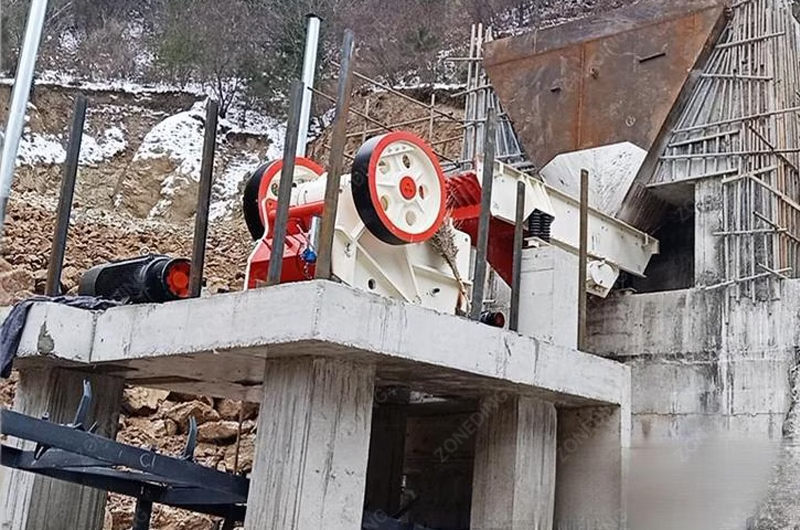
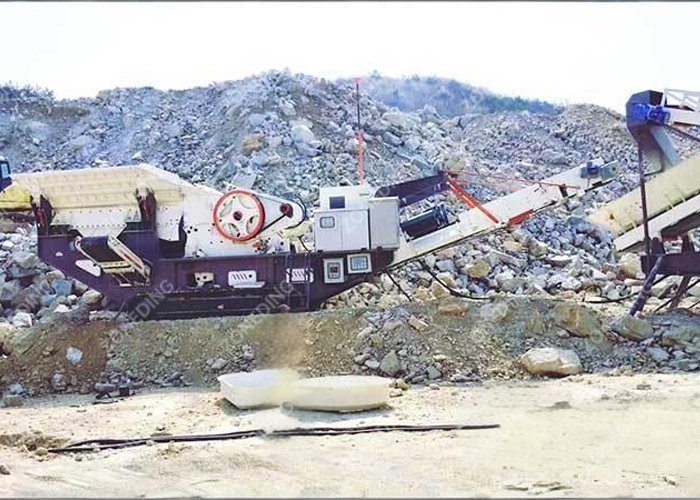
Crushing
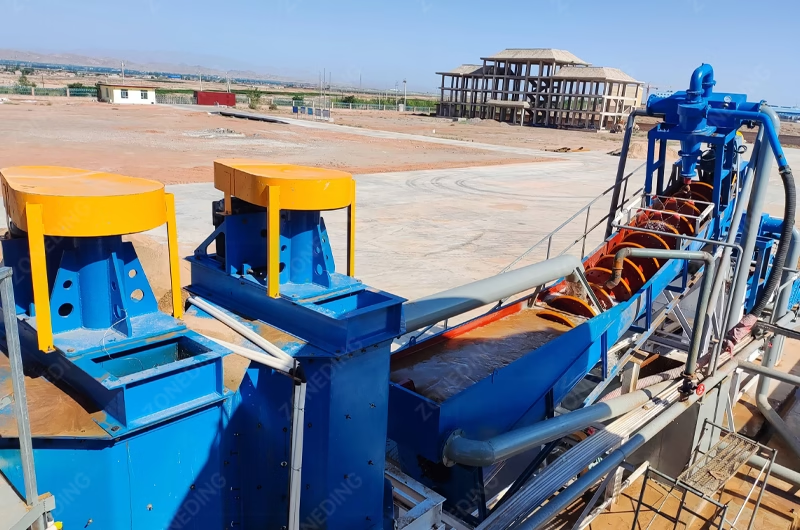
Washing
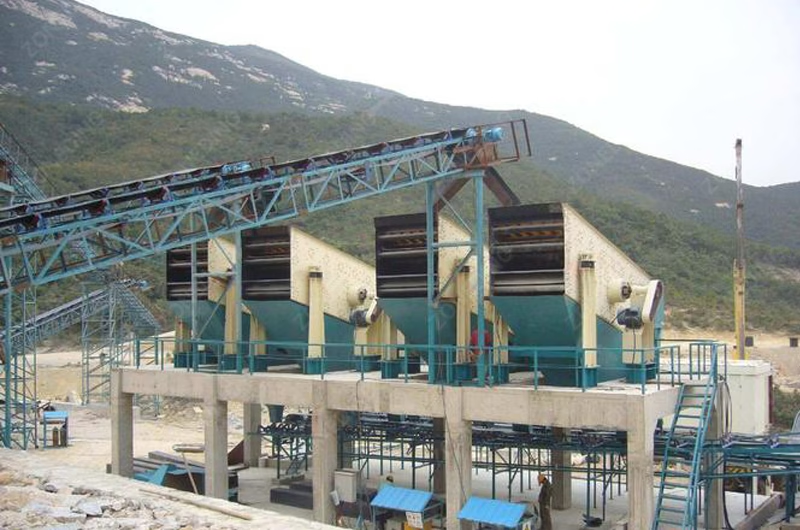
Screening
Process Details: First, we reduce the size. But we must be careful not to over-crush. Manganese is brittle. If you crush it to powder too early, you lose it. Next, we wash it. Clay is the enemy of separation. Finally, we separate the valuable mineral from the waste.
What Are the Different Types of Beneficiation Methods?
Overview: There is no “one size fits all” machine. I choose the method based on the density, magnetism, and surface chemistry of your specific ore. Here are the four technologies we use.
Gravity Separation
This is the most cost-effective method. It uses the density difference between manganese (SG 4.0+) and silica (SG 2.6).
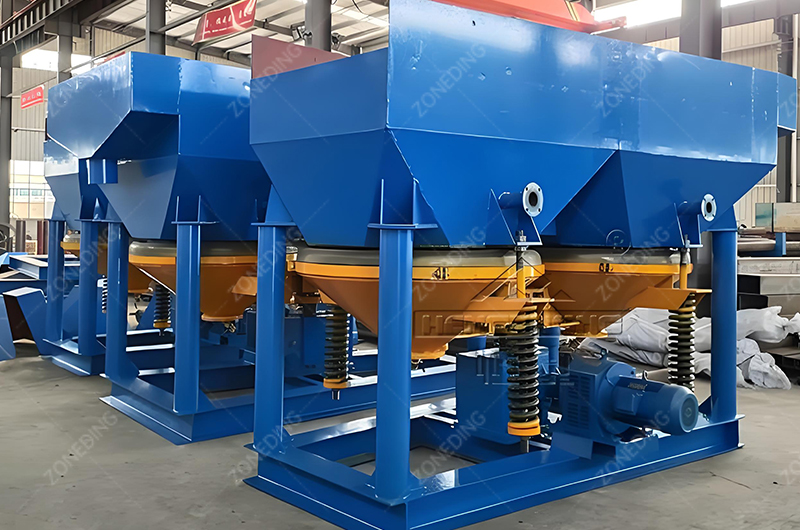
Jigger Separator Machines
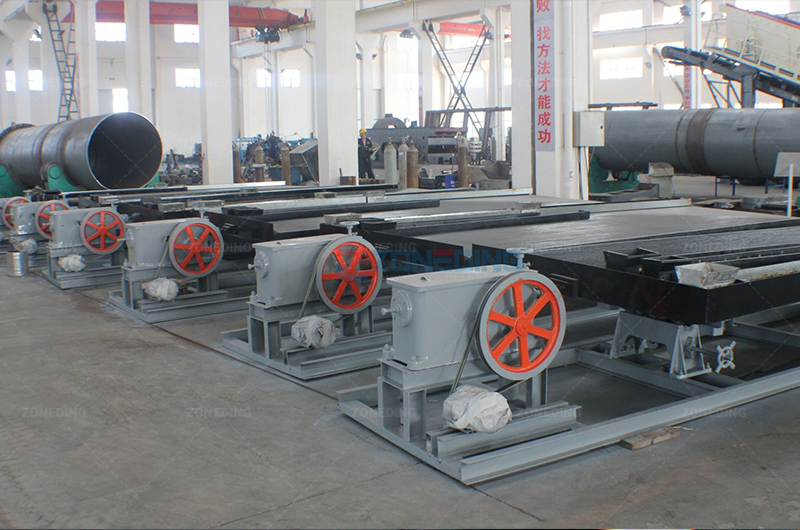
Shaking Tables
For Coarse Ore (6-30mm): We use Jigging Separator Machines. They are cheap to run and handle large capacities.
For Fine Ore (<2mm): We use Shaking Tables. They are very precise but have lower throughput.
Magnetic Separation
Manganese is weakly magnetic. Iron is strongly magnetic. Silica is non-magnetic.
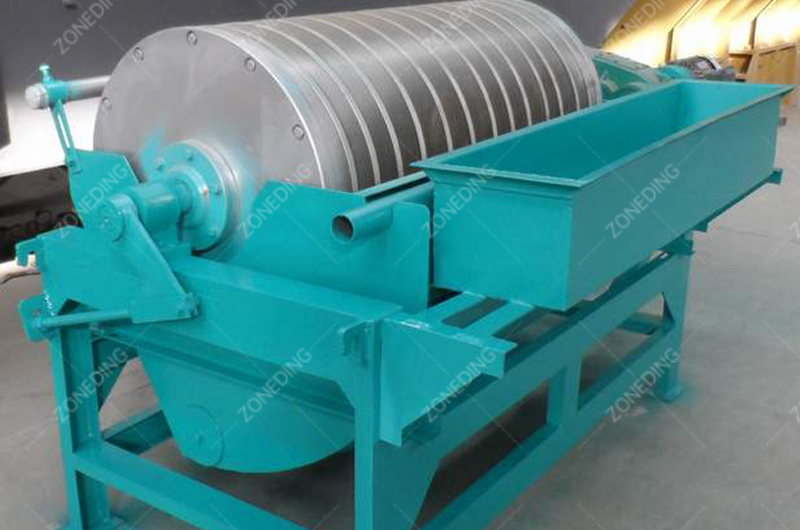
Magnetic Separator
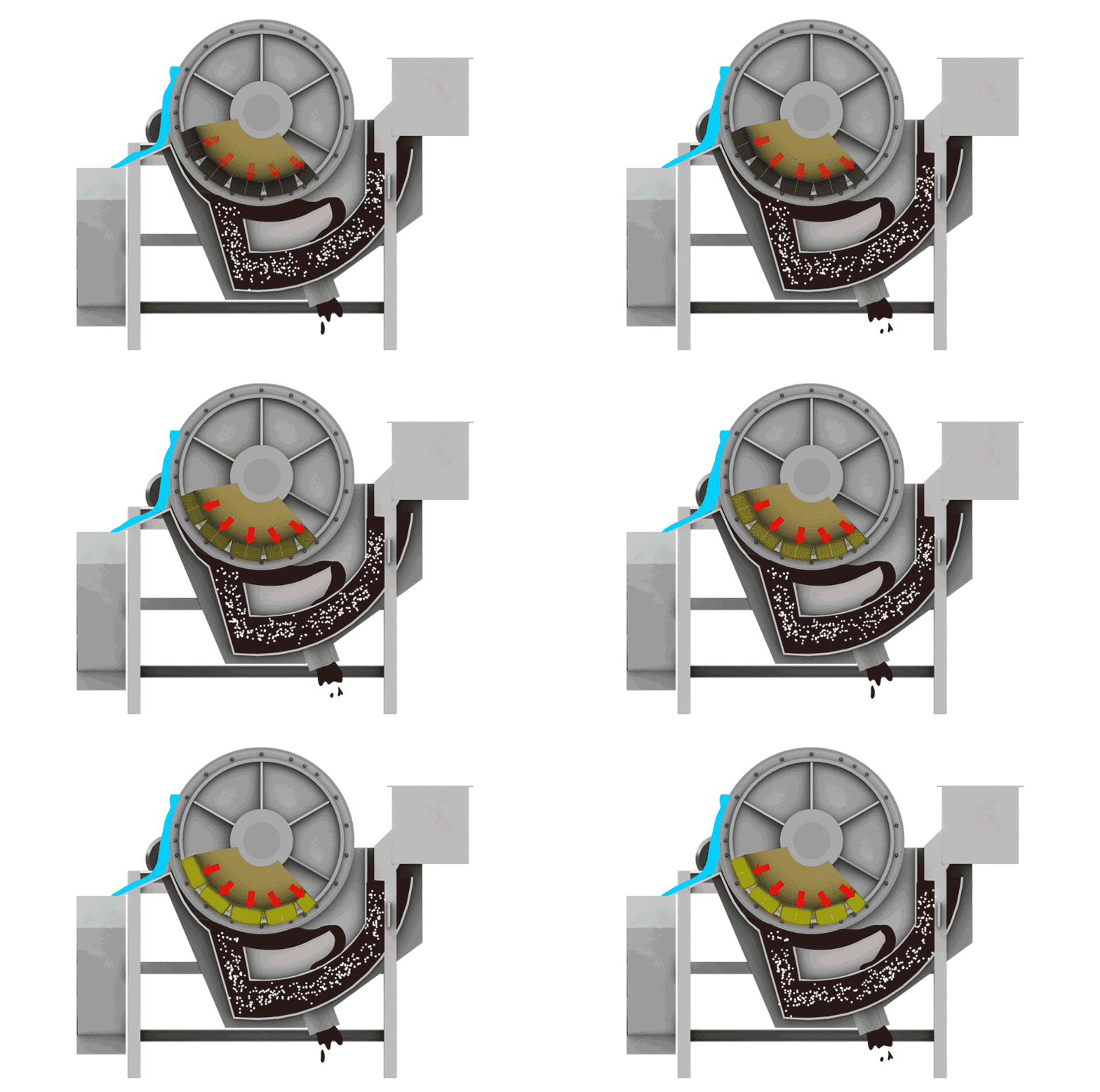
Magnetic-Separator-Working-Principle
High Intensity: We use Magnetic Separators with field strengths over 12,000 Gauss. This captures fine manganese particles that gravity methods miss.
Roasting-Magnetic: For high-iron ores, we roast the ore first to change the magnetism of the iron, then remove it.
Flotation Separation
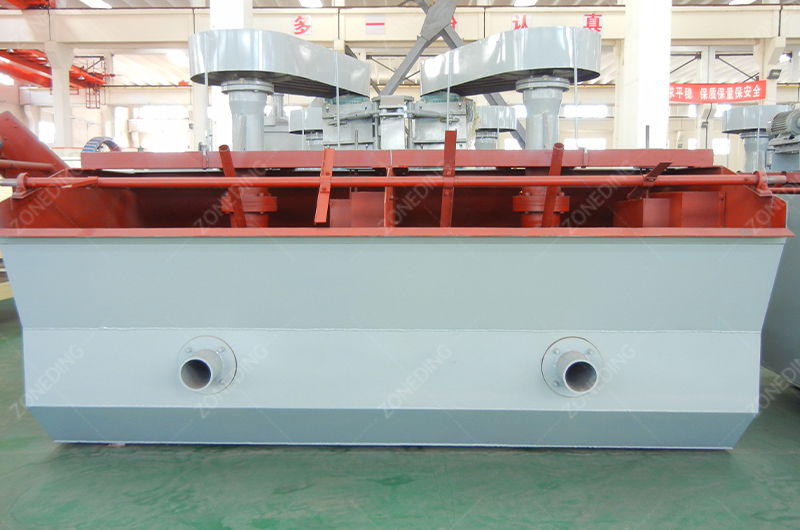
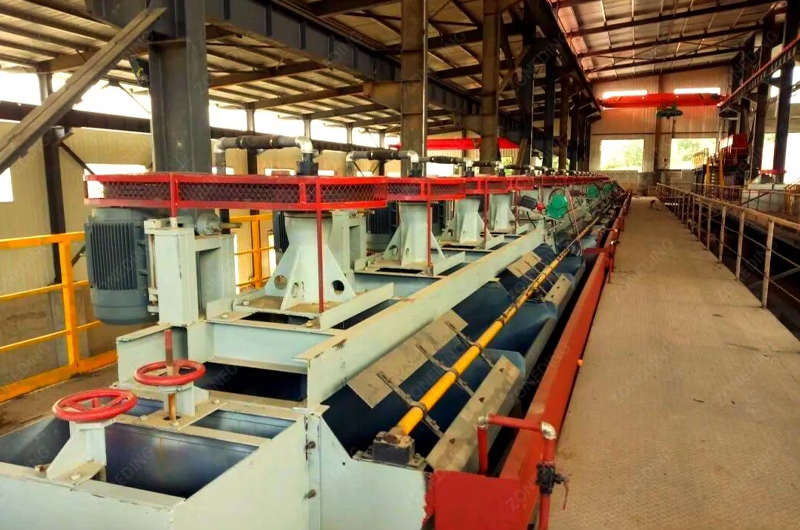
Flotation Machine
Flotation separation technology
We use this for Manganese Carbonate ores and very fine slimes (-0.074mm). Flotation Machines use chemicals to make manganese bubbles float to the top. It is complex but effective for difficult ores.
How to Design a “Gravity-Magnetic-Flotation” Combined Circuit to Maximize Recovery and Lower Tailings Grade?
Step 1: Washing and Screening
Do not skip this. We use a Drum Washer or Log Washer to remove clay. If clay enters the magnetic separator, it blocks the matrix. If it enters flotation, it consumes expensive chemicals.
Step 2: Coarse Gravity Separation (The “Rougher”)
We send the cleaned coarse fraction (6mm-30mm) to the Jig.
Why? The Jig has zero chemical cost and low electricity cost.
Result: We recover 50-60% of the heavy manganese immediately as high-grade lump concentrate. We discard pure silica waste here.
Step 3: Grinding and Magnetic Separation (The “Scavenger”)
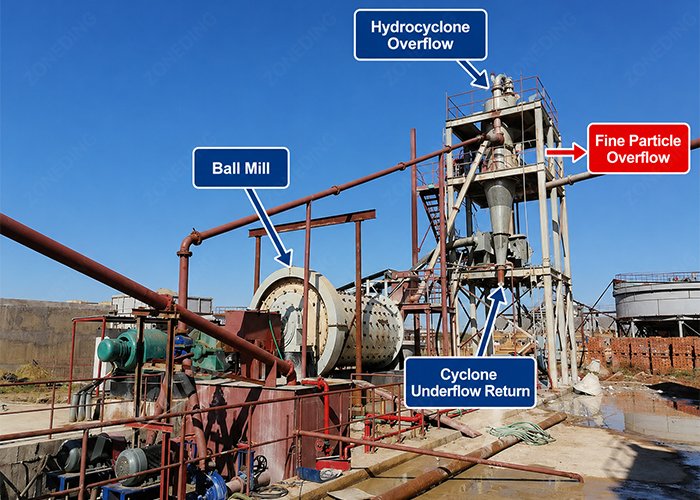
The “middlings” (mixed rock) from the Jig and the fines (-6mm) go to a Ball Mill. We grind them to liberate the minerals. Then, we pass them through a High-Gradient Magnetic Separator.
Why? This catches the fine manganese that is too light for the Jig.
Result: This boosts total recovery by another 20-25%.
Step 4: Flotation (The “Polisher”)
The non-magnetic tailings and ultra-fine slimes go to flotation.
Why? This is the last chance to catch microscopic manganese.
Result: This ensures the final waste (tailings) has very low manganese content.
Frequently Asked Questions
Question 1: How can high-iron manganese ore be separated effectively? Physical separation is often ineffective due to similar densities. The most reliable method is Manganese Ore Magnetic Roasting using a Rotary Kiln. This process converts iron minerals into magnetic magnetite, allowing separation via low-intensity magnetic separators. Question 2: Why do high-gradient magnetic separators block frequently? Blockages occur when fine manganese slimes clog standard steel wool matrices. To prevent this, it is recommended to use a High Gradient Magnetic Separator equipped with a Rod Matrix. The larger gaps and high-frequency pulsation allow slimes to pass while capturing magnetic particles. Question 3: Is it possible to remove phosphorus using flotation? Removing phosphorus via flotation is difficult if the phosphorus is chemically bonded or extremely fine. In such cases, physical separation results in high manganese loss. Chemical Leaching Process is the only industrial method to effectively separate phosphorus from manganese in high-phosphorus ores. Question 4: How does temperature affect manganese carbonate flotation? Manganese carbonate flotation typically uses fatty acid collectors, which solidify and disperse poorly in cold water. Operating at low temperatures reduces recovery rates. Heating the flotation pulp to above 20°C or using specialized low-temperature reagents is necessary for efficient flotation. Question 5: What is the best method for processing low-grade manganese ore? For low-grade ores (<15%), direct grinding is uneconomical. The best approach is pre-concentration using XRT Intelligent Sorting. This technology rejects 40-50% of waste rock at the coarse crushing stage, increasing the feed grade for downstream processing.
About ZONEDING
ZONEDING Machine is a globally recognized manufacturer of mineral processing equipment, specializing in difficult-to-process ores. From robust Crushing Plants to precision magnetic separation systems, ZONEDING delivers engineered solutions to the mining sector. With a manufacturing base of 8,000 square meters and a dedicated engineering team, the company supports projects in over 120 countries.
Contact ZONEDING engineering for customized flow sheet design and beneficiation testing.
Field experience in extreme environments reveals the truth about aggregate production in remote areas. Showroom data fails when the site sits 500 kilometers from civilization. Extreme locations lack power grids, clean fuel, and heavy cranes. ...
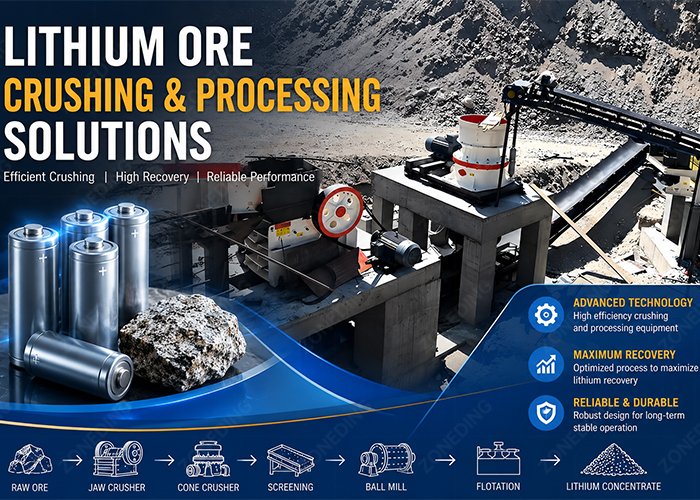
The rapid growth of electric vehicles, energy storage systems, and renewable energy technologies has driven unprecedented demand for lithium worldwide. As a result, new lithium mining projects are being developed across Australia, Canada, Zimbabwe...
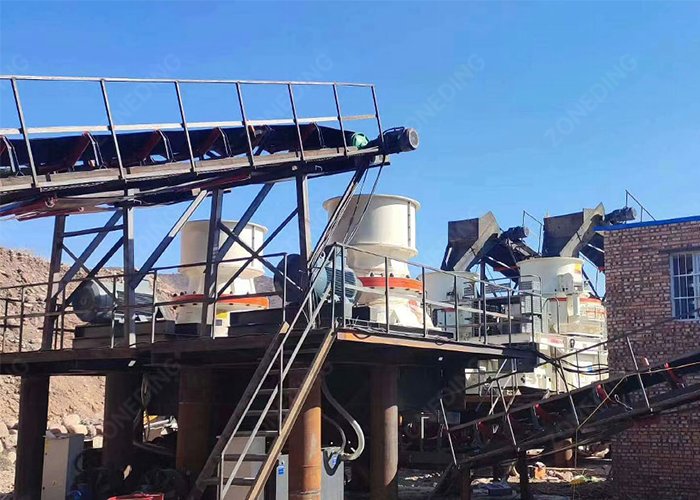
One of the first questions buyers ask before purchasing a cone crusher is: How many tons per hour can a cone crusher produce? The answer is not as simple as reading a specification sheet. Many operators discover that actual production differs sign...
We use cookies to ensure that we give you the best experience on our website. If you continue to use this site we will assume that you are happy with it.
Privacy Policy
Send us a message
We would love to hear from you
Submit your question and our team will respond to the email provided as soon as possible.
 Zoneding Machine